Upcoming Talks

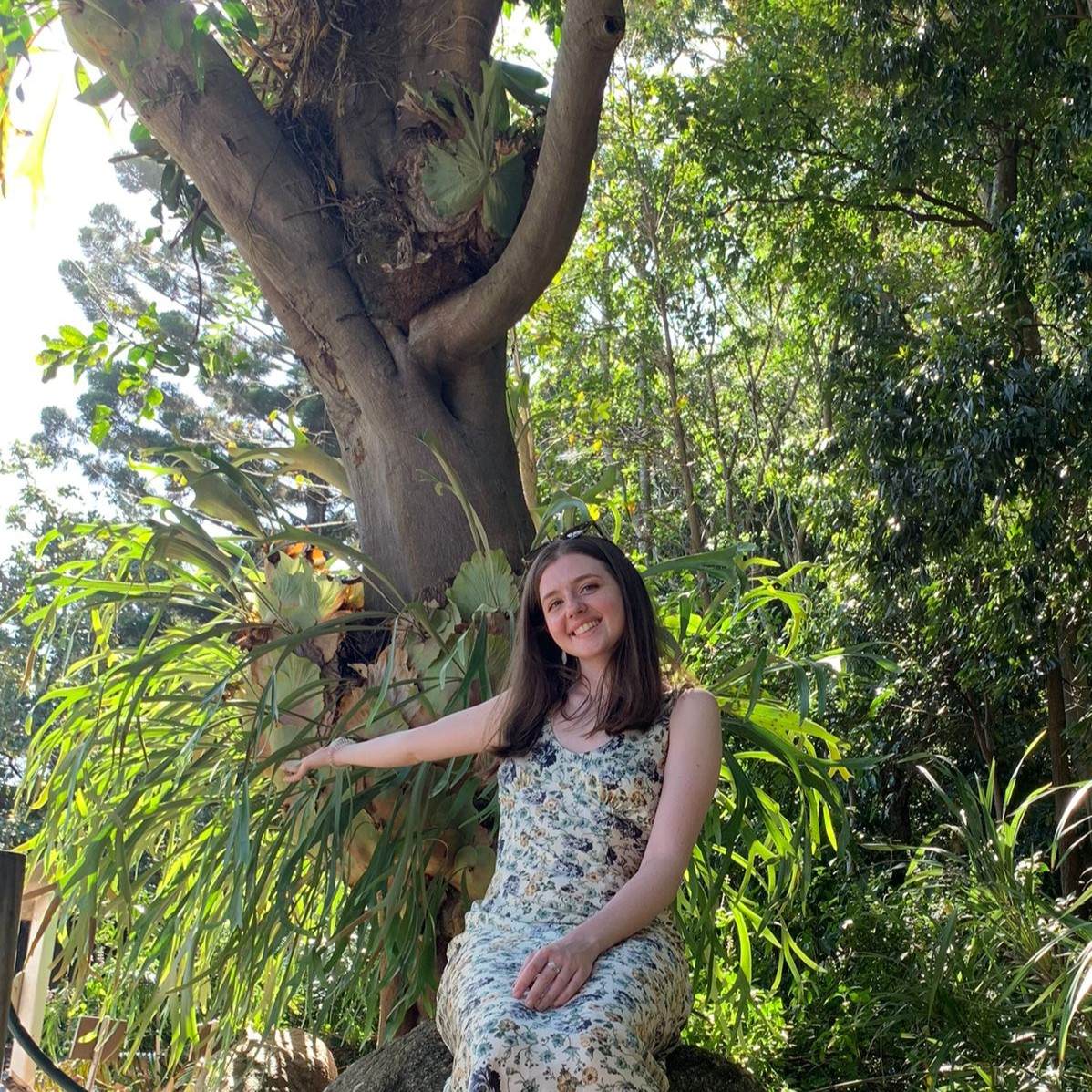
Image description: Picture of Jonathan a white man wearing a cap, field shirt and smiling with a backdrop of Colorado plateau at Bluff, Utah, USA.

Jonathan Stine

USA

February 17, 2026

Paleozoic Equatorial Records of Melting Ice Ages (PERMIA): calibrating the pace of paleotropical environmental and ecological change during the Late Paleozoic Ice Age

The upper Paleozoic Cutler Group of southern Utah, USA, is a key sedimentary archive for understanding the Earth-life effects of the planet’s last pre-Quaternary icehouse–hothouse state change: the Carboniferous–Permian (C–P) transition (~304-290 Ma). Within the near-paleoequatorial Cutler Group, this transition corresponds to a large-scale aridification trend, loss of aquatic habitats, and ecological shifts toward more terrestrial biota as recorded by its fossil assemblages. However, fundamental questions persist. (1) Did continental drift or shorter-term changes in glacio-eustasy, potentially driven by orbital (Milankovitch) cycles, influence environmental change at near-equatorial latitudes during the C–P climatic transition? (2) What influence did the C–P climatic transition have on the evolution of terrestrial ecosystems and on the diversity and trophic structures of terrestrial vertebrate communities?

The Paleozoic Equatorial Records of Melting Ice Ages (PERMIA) project seeks to resolve these issues by studying the Elk Ridge no. 1 (ER-1) core. This legacy core, collected in 1981 within what is now Bears Ears National Monument, recovered a significant portion of the Hermosa Group and the overlying lower Cutler Group, making it an ideal archive for studying paleoenvironmental change during the C–P transition. Using a combination of biostratigraphy, geophysical and geochemical core scans, cyclostratigraphy, and magnetostratigraphy, we tentatively determine that the aridification event, and associated biotic turnover, occured on a timescale more indicative of climate change rather than tectonic movement. 


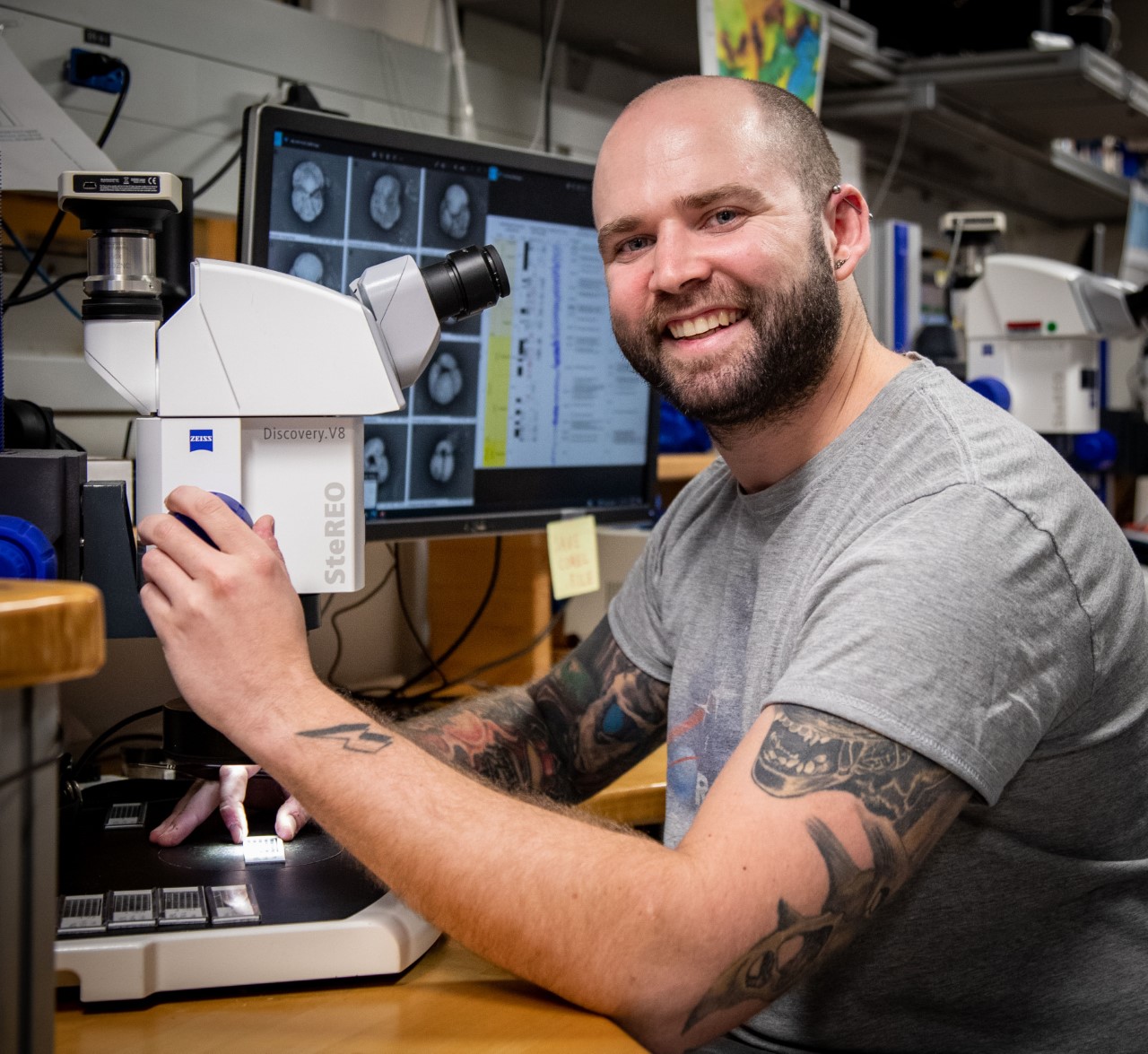
Image description: Dr. Emma A. Elliott Smith working on instrumentation for isotopic analysis; shown here is a Gas Chromatography Isotope Ratio Mass Spectrometer System at the University of New Mexico’s Center for Stable Isotopes. This instrument was used to measure δ13C values of individual amino acids from sea otter remains recovered from archaeological sites. Photo credit Jeng Hann Chong.

Emma Elliott Smith

USA

February 24, 2026

Reconstructing historical sea otter ecology with zooarchaeology and stable isotopes

Archaeological faunal assemblages offer a powerful way to anchor modern conservation goals to pre-industrial baselines. Through stable isotope analyses of these specimens, we can reconstruct historical diets, trophic positions, and habitat use. In this talk, I apply this approach to the sea otter (Enhydra lutris), a keystone marine predator that for millennia structured coastal food webs within Indigenous managed socio-ecological systems before being nearly extirpated during the EuroAmerican maritime fur trade. I present stable carbon and nitrogen isotope data from sea otter bones recovered at archaeological sites across the North Pacific, combining bulk tissue and compound-specific (amino acid) analyses to resolve patterns of habitat use and trophic ecology. These data reveal significant spatial variability in past sea otter foraging ecology and provide important context for contemporary recovery efforts. More broadly, this case study demonstrates how zooarchaeology and stable isotope geochemistry can inform present day conservation efforts.