
Of bones and bytes: the geometry and coding hacks palaeontologists DO WANT you to know!
To study bone virtually is not only about improving preservation but also about exploiting the computational opportunities that a digital environment has to offer. In this talk, I will share my “recipe” for the virtual investigation of bone morphology: scan material until fragrant, add a pinch of coding and finish with a spoonful of good old geometry. The talk will present the ideas behind combining geometry and coding to study bone shape and will present some of the original methods implemented by me and my colleagues.
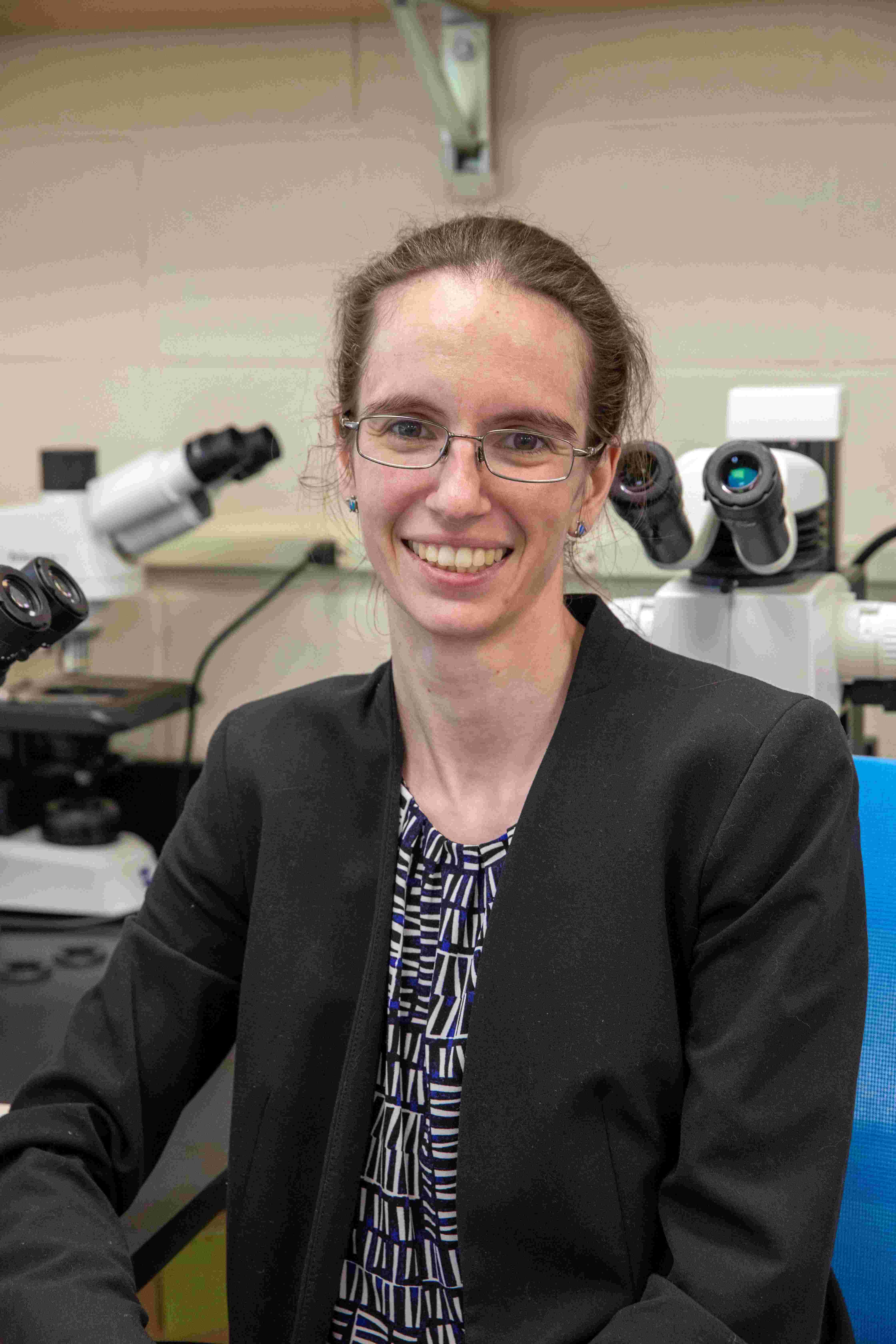
Elizabeth Sibert, a small white woman with brown hair and glasses, is seated in her lab next to several microscopes. She is wearing a blazer and smiling at the camera for this lab-based headshot photo.
Elizabeth Sibert
Woods Hole Oceanographic Institution, United States of America
May 12, 2025
Something fishy this way comes: investigating shark and fish evolution using microfossils in deep sea sediments
Fish are the most diverse group of vertebrates on the planet today, and the type and abundance of fish present in the marine ecosystem depends on the environmental conditions and food web processes in that area. Ichthyoliths – isolated microfossil fish teeth and shark scales – preserve a unique history of the abundance, community composition, and evolutionary history of fish. In this talk, I use ichthyoliths preserved in deep-sea sediments to explore how open-ocean fish and sharks respond to Cretaceous and Cenozoic global change, from mass extinctions to global climate events, and discuss how we can provide biological context to these tiny, isolated microfossils.

Thamizharasan Sakthivel posing with the clumped isotope CO 2 cleaning line.
Thamizharasan Sakthivel
Divecha Centre for Climate Change, Indian Institute of Science, India
May 20, 2025
Sensitivity of South Asian summer monsoon rainfall to Bay of Bengal sea
surface temperature during glacial–interglacial periods
Sea surface temperature (SST) in the Bay of Bengal (BoB) critically modulates South Asian Summer Monsoon (SASM) rainfall. Isotopic analysis of foraminifera from interglacial and glacial periods reveals that warmer BoB SST intensifies monsoon winds and rainfall by enhancing evaporation and altering runoff patterns. A 1°C rise in SST over Central BoB corresponds to a 0.9 ± 0.1 psu decline in sea surface salinity near the Ganges-Brahmaputra outflow, reflecting increased precipitation across South Asia. These findings improve our understanding of how BoB SST affects SASM rainfall and pave the way for improved predictability of SASM rainfall patterns.

A headshot photo of Pam Vervoort with a landscape of grassland and lakes in the background. She is a white woman with blond hair, smiling to the camera and wearing a dark blue hoodie.
Pam Vervoort
University of Birmingham, United Kingdom
May 27, 2025
Astronomical Cycles Through the Lens of an Earth System Model
Astronomical cycles are present in many Mesozoic and Cenozoic records but appear especially prominent during the warmer intervals. Their occurrence in deep marine records demonstrates that astronomical forcing has altered climate-carbon cycle dynamics on a global scale. Yet, how regional insolation changes amplify to global scale climate perturbations remains poorly understood, particularly in greenhouse climates where climate-sensitive ice sheets are absent. In this talk, I present the first-ever Earth system model simulations that produce strong eccentricity paced climate-carbon cycles in an ice-free world, using only insolation forcing as a driver. The presence of extensive oxygen minimum zones lies at the foundation of the mechanism I will present here.
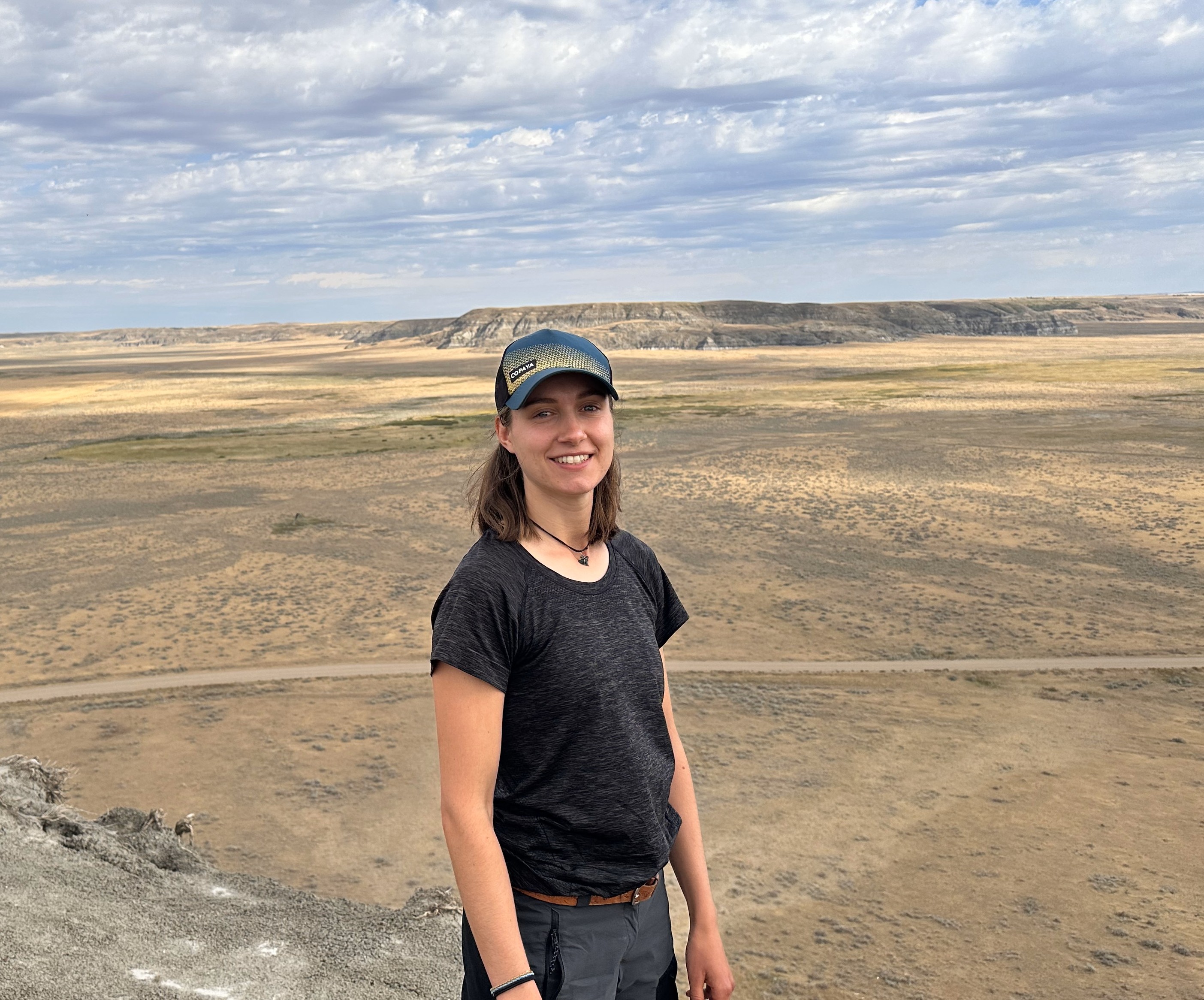
A woman stands on a hill, gazing out over a rocky, arid landscape that stretches into the distance. She is a white woman with brown hair, smiling at the camera. She wears a black shirt and pants, as well as a blue cap.
Eileen Straube
University of Bayreuth, Germany
June 3, 2025
Guardians of time and change: Palaeontological records and their potential to inform conservation
By offering a long-term view of life’s responses to environmental change, the fossil record challenges us to reflect on its potential to inform modern conservation. By analysing the geographic range and organismal traits of marine fossils, we can improve our understanding of extinction processes and explore potential applications for modern conservation. Understanding these processes and considering whether these long-term perspectives can inform conservation efforts is crucial, especially in the face of the current biodiversity crisis.
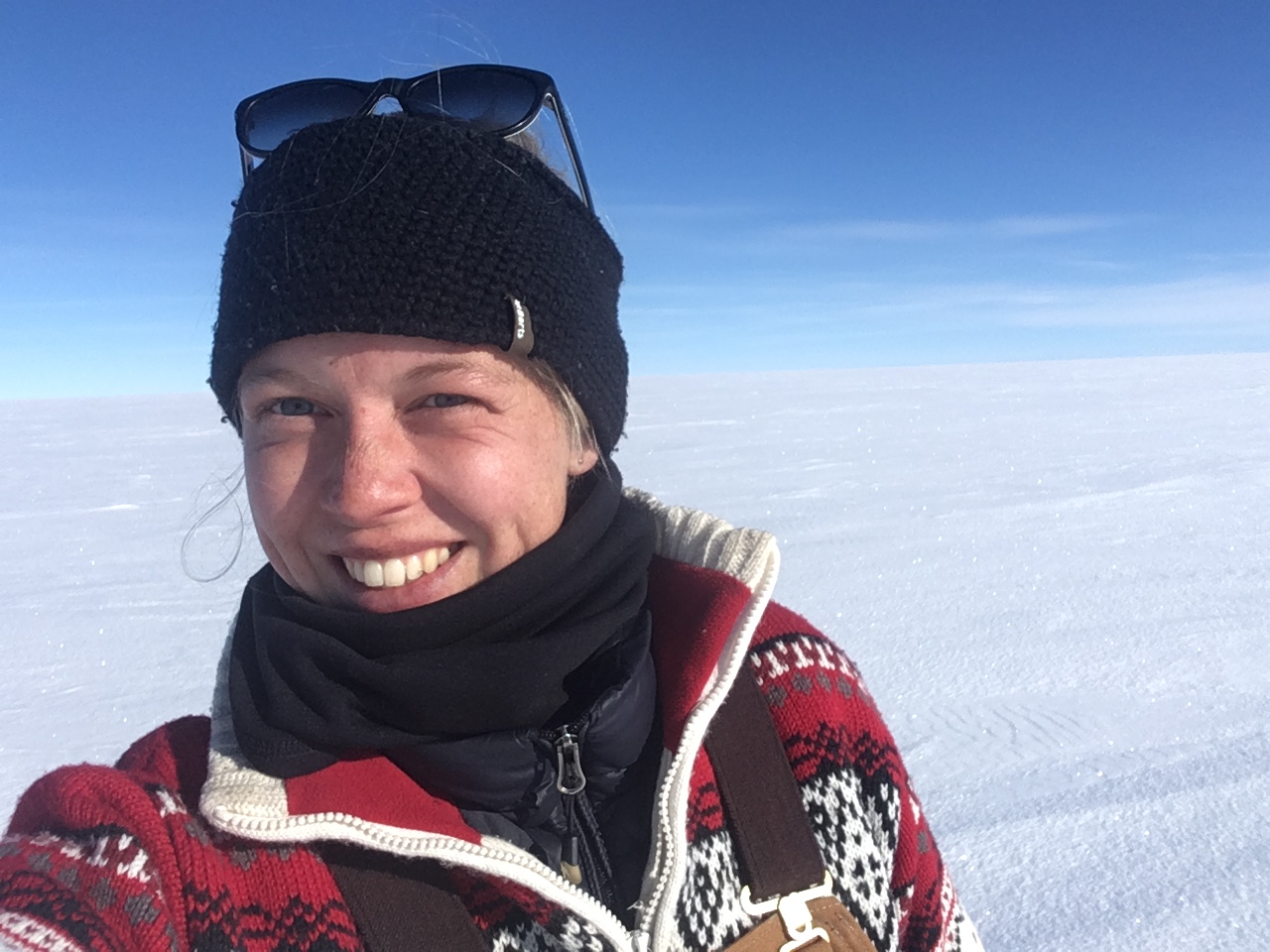
This is me on the top of the Greenland Ice Sheet at 75°N and 45°W when we sampled shallow firn cores for stable water isotope analysis. It turned out the cores we sampled on this campaign contained a striking global warming signal.Photo attached
Sonja Wahl
Geophysical Institute, University of Bergen, Norway
June 10, 2025
The isotopic fingerprint of snow processes and their effect on the climate signal stored in ice core water isotope records
Ice core water isotope records are valuable climate archives because stable water isotopes trace environmental changes through the water cycle which are conserved when snow turns into ice. Conventionally, the isotopic signal in precipitation is assumed to remain unchanged after deposition, yet post-depositional snow processes have been proposed to alter the climate signal. Through field data from the Greenland Ice Sheet and cold-laboratory experiments, we demonstrate how sublimation—both at the surface and during drifting snow—can affect the isotopic composition of snow. By measuring both snow and vapour isotopes, we constrain isotope exchange processes and identify key drivers. Furthermore, we present modelling studies that quantify the impact of sublimation on isotope records and outline potential improvements for future modelling directions.
Our findings challenge the interpretation of the d-excess signal as solely reflecting moisture source conditions and ask for a reevaluation of the paleothermometer calibration function.

Zekun standing before a dinosaur painting in NHM collection room
Zekun Wang
Natural History Museum, London, United Kingdom
June 17, 2025
Quantitative ichnology: unravelling biological signals from trace fossils during major evolutionary events
Trace fossils are fossilized interactions between the animals and their environments, and among which, locomotion-related trace fossils provide unique insights into the body plan, locomotion and behaviors of the trace-makers, but remain quantitatively underexplored. In this talk, I will introduce several quantitative metrics like frequency spectrum, spectral density, autocorrelation function, smoothness criteria, as well as numerical simulations, and illustrate how they can assist quantitative analyses of locomotion-related trace fossils. These metrics provide profound insights into the body plans, locomotory modes, sensation capacities and putative phylogenetic affinity. The results will deepen our understanding of the evolutionary pathways of Earth’s complex life, such as evolutionary radiation, appearance of slender anterior-posterior axis, evolution of locomotory modes or earliest subaerial explorations. Other than offering bio-physical interpretations of the trace-makers, the proposed metrics will also serve as powerful tools in trace fossil taxonomy and ichnofacies identification.

Science Communication Panel
A first in Pal(a)eoPERCS seminar series, we bring to you a panel of well-established science communicators in the field of geoscience: Cate Larsen (USA), Tim Pearce (USA), Milo Yeates (USA) and Khalil Thirlaway (UK). The speakers will share insights from their practice as geoscience communicators through various platforms and media, like TikTok videos, podcasts, and freelance projects. The panel will be moderated by Pal(a)eoPERCS host, and the speakers will take turns to answer the questions and respond to each other. The moderated discussion will be followed by questions and answers from the audience in the regular seminar format.

This is me in Mongolia, on the field, ready to sample carbonate rocks to find early Cambrian fossils. With an international team, we went during summer 2023. The picture shows a white to slightly tanned man (Iban) with tied long black hair, and a hearing on the left ear. First plan of the background is a grey car. Then the landscape looks like the typical Microsoft wallpaper, with green grass, grey mountains, and a cloudless blue sky.
Iban Goñi
University of Lille, France
July 15 2025
Outgrowths on Cambrian echinoderms, traces of the oldest parasitic interaction on deuterostomes
Biotic interactions certainly settled as soon as the first metazoan ecosystems appeared. However, most of them remain invisible in the fossil record, essentially due to preservation biases. When a past interaction is spotted, one of the main challenges regards the effect, neutral, positive or negative, this interaction had on both symbionts. Here we present outgrowths on middle Cambrian echinoderms from Australia, interpreted as been generated through a parasitic interaction. I will present our results and explain how we ended up describing the potential oldest trace of parasitism in deuterostomes.
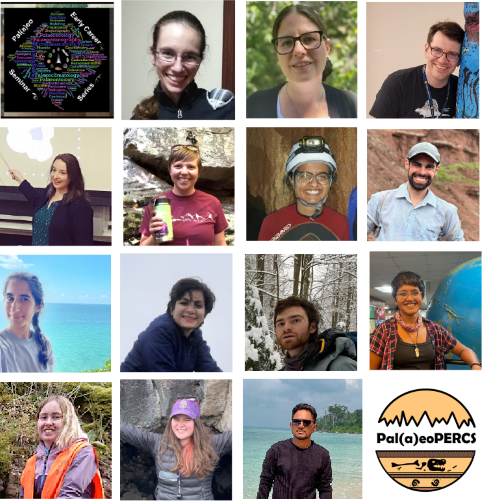
Featuring PERCS committee members (past and present) based in various countries around the world!
July 22 2025
Anniversary Panel
Join us as we celebrate and reflect on five years of Pal(a)eoPERCS! With discussions about the history of PERCS, data showcasing how PERCS has grown, and an open discussion with previous and current Pal(a)eoPERCS committee members, this is one seminar you won’t want to miss!
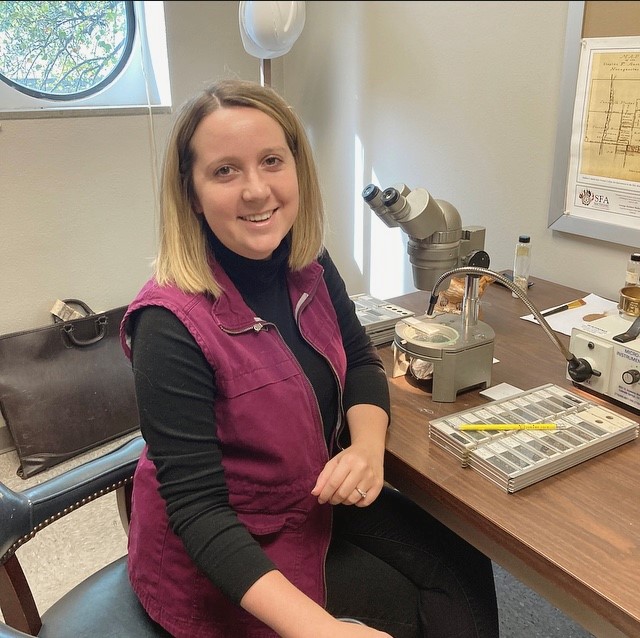
Reevaluating previously studied fossil collections: A case study of mid-Cretaceous foraminifera from North-Central Texas
Technological advancements, particularly over the last century, have changed the way paleontologists study and interpret many fossil groups. Despite the potential need for updates, many previously studied fossil collections have not been thoroughly reevaluated in a modern taxonomic context. Outdated perspectives from previously studied material may result in erroneous applications for evolutionary, biostratigraphic, or paleoenvironmental interpretations of other studies. As an example of the necessity for reexamination of previously studied collections, this presentation will look at the mid-Cretaceous foraminiferal assemblages from North-Central Texas, relevant updates to several taxonomic groups present in the area, and also highlight some findings from our revisionary study.

Image description: The photo is of me (Luz Maria) after Goldschmidt 2025 (Prag). I went to hike to the rocks in the Prachov region of the Czech Republic. These rocks are part of the Bohemian Paradise Geopark and consist mainly of Cretaceous formations, shaped by erosion into dramatic towers, cliffs, and passages.
Luz Maria Mejia Ramirez
Germany
August 5, 2025
New coccolithophore and diatom-based geochemical temperature and CO2 indicators: improving climate reconstructions and proxy understanding
One of the most relevant societal challenges we have today is improving reconstructions of climate (temperature) response to CO2 concentrations in past times similar to what we expect in the future, addressing key uncertainties in proxy interpretation and development. Clumped isotope (Δ47) thermometry is a relatively novel and robust tool for reconstructing past ocean temperatures, as it circumvents the limitations of other temperature proxies, being only based on thermodynamics and independent of seawater chemistry. When applied to coccolith calcite, it reveals temperatures from euphotic oceans. Its application to worldwide distributed coretop sediments revealed that coccolithophores often calcify below the surface, particularly in tropical regions—challenging interpretations of traditional SST proxies like alkenones. Mid-Miocene coccolith Δ47 data from the North Atlantic suggest significantly colder absolute temperatures and more modest polar amplification than previously inferred from other proxies like alkenones, aligning better with climate model outputs. If found true for other high latitude sites, this could imply a less catastrophic response of high latitude climate to anthropogenic CO2 emissions. In this presentation I will also show data of the first application of the phytoplankton CO₂ proxy to diatoms, which I will explain with the help of my bunny Roger! Instead of being based in the more traditional alkenones, we used δ¹³C from organic-bound carbon in diatom frustules of similar size, and considered potential effects of carbon concentrating mechanisms for the first time, which are often overlooked in alkenone-based CO₂ estimates.

Image description: A photograph of me (Franziska Blattmann) loading samples onto the GC-MS for analysis
Franziska Blattmann
Denmark
August 12, 2025
Early Triassic Flames and Feedbacks: Exploring Wildfire, Climate and Ecosystem Shifts
Wildfires play a key role in Earth’s carbon and nutrient cycles, driven by complex interactions between climate, vegetation and landscape structure. Therefore, understanding wildfire activity within the context of paleoclimatic and environmental change is essential. This study examines wildfire dynamics during the Early Triassic (Smithian-Spathian, ~250 million years ago), an epoch of major carbon cycle disruptions, climate shifts and ecological turnover. Using polyaromatic hydrocarbon (PAH) biomarkers as fire indicators, we identify a significant increase in PAHs in Spitsbergen shales after the Smithian-Spathian boundary. PAH ratio proxies suggest that these compounds originated from biomass burning rather than volcanic activity or reworked organic matter. Our findings indicate that as climate cooled and precipitation decreased in the late Smithian, shifting vegetation patterns made landscapes more fire-prone. These wildfire changes likely influenced regional carbon cycling, impacting long-term carbon sequestration. Understanding past climate-fire feedbacks provides valuable insight into modern climate challenges.

Image description: Juliet sitting on a saltmarsh with a sediment core.
Juliet Sefton
Australia
August 27, 2025
Late Holocene sea-level change recorded by mangrove sediments in Oceania
Oceania is often at the front of our minds when we consider sea-level rise. Oceania is, however, a heterogenous region with wide ranging drivers of local sea-level rise over both instrumental and paleo timescales. In this presentation I will share our research from Micronesia where mangrove sediments have recorded sea-level rise over the past 4,000 years. These new proxy sea-level records provide valuable context for recent rates of sea-level rise with implications ranging from vertical land motion to archaeology.

Image description: A picture of Bethany Allen, a white woman wearing glasses and cold weather clothes, most notably a bobble hat and scarf, with her brown hair in two plaits. She is standing in an autumnal forest littered with brown leaves.
Bethany Allen
Germany
September 2, 2025
How can we quantify biodiversity in deep time?
The fossil record is our only direct source of evidence for how life on Earth has waxed and waned over its long history. However, the fossil record is also incomplete and biased in many ways, after passing through biological, geological, and socio-economic filters. Over the last fifty years, a wide variety of methods have been developed to try and elucidate macroevolutionary patterns by accounting for fossil record structure or bias, with varying levels of success. I will review the different approaches that have previously been applied to infer past biodiversity, and discuss their strengths and weaknesses, illustrating this with case studies. Finally, I will propose some ways in which we can move forward as a field, and develop stronger approaches for estimating biodiversity through deep time.

A photo of Jeet Majumder, far from his field sites and microfossil slides, trekking and indulging in photography in the Himalayas. Usually, behind the lens, he gave his best ‘serious pose’ when a friend finally took his photo.
Jeet Majumder
India
September 9, 2025
Reconstructing monsoon-induced oceanographic variations in the eastern Arabian Sea since Marine Isotope Stage 3: Insights from foraminifera and pteropods
The Indian Summer Monsoon (ISM) winds drive upwelling-induced productivity in the western as well as the eastern Arabian Sea. The subsequent degradation of the organic matter is linked to the occurrence of the oxygen minimum zone (OMZ) and carbonate preservation. Using multiproxy data from the assemblage and stable isotope ratios of foraminifera (planktic and benthic), and the preservation state of pteropods, my research focused on reconstructing oceanographic variability in the eastern Arabian Sea since the late Marine Isotope Stage (MIS) 3. The results show that solar insolation, regional wind strength, sea-level, and continental influx of fresh water modulated productivity, carbon cycling, coastal hypoxia and OMZ dynamics in the eastern Arabian Sea, leaving distinct imprints on the microfaunal communities like foraminifera and pteropods.

Peter Neff aboard South Korean icebreaker RV ARAON with the Amundsen Sea, Antarctic icebergs, and ice rises–coastal climate archives–in the distance.
Peter Neff
USA
September 16, 2025
Accomplishing my grad school dream project: new ice cores from West Antarctic ice rises at the epicenter of ice sheet change
When Peter was a PhD student, working on an ice core from a coastal ice rise in the Ross Sea region, Antarctica, he became fascinated with the number of these ice rises–coastal layercakes of snow and ice in close proximity to the ocean, ideal for ice core collection–along the coast of West Antarctica near the most dramatic ice loss anywhere in Antarctica. Why hadn’t these locations already been cored? Could he help organize to collect cores in this far-flung but globally critical region? Fast forward… one decade… and in partnership with South Korean colleagues and their world-leading icebreaker + helicopter capabilities, the paleoclimate community will soon learn what the first 150 m deep ice cores from Canisteo Peninsula will tell us about the last century of climate forcing in the critical Amundsen Sea region of West Antarctica.

Lazaro standing with a backpack in front of a green mountain range. The sky is sunny and clear.
Lazaro W. Vinola-Lopez
USA
September 23, 2025
Sebecids in the Caribbean and other unexpected discoveries from the islands
The Caribbean islands have a rich fossil record that spans over 150 million years of Earth’s history. The fossils discovered in the region include Mesozoic marine and flying reptiles and a rich Cenozoic diversity that is dominated by late Quaternary taxa. This presentation will provide a general overview of recent discoveries in the region that are changing our perspectives on the islands’ biogeography and past diversity. It will focus primarily on some recent discoveries from poorly sampled Oligocene-Miocene deposits that are leading to important discoveries, like the presence of Sebecids in the insular Caribbean but will also showcase other unexpected discoveries in the region.

Charlotte, wearing a pink jacket and holding a shovel, standing in a desert landscape.
Charlotte Hipkiss
UK
September 30, 2025
Stress in Paradise: Reconstructing Late Holocene hydroclimate to investigate the role of drought in the timing of human migration and colonisation in the tropical South Pacific
The South Pacific was the final frontier of human colonisation on Earth. Human migration across the Pacific occurred in two waves, the first starting around 3000 yr BP and then after a long pause of 2000 years, the second occurred at approximately 1000 yr BP. Reasons for these migrations are contested, but climate is increasingly thought to have been a factor. This work utilised a combination of multi-proxy palaeo records and socio-ecological modelling to investigate the role of climate in the timing of migration and colonisation in the tropical South Pacific. The key finding from the palaeoenvironmental records is evidence for a shift towards dry conditions around the second wave of human migration into Eastern Polynesia and again in the relatively early stages of colonisation. The model outputs suggest that drought has a greater impact on population dynamics the closer to the absolute carrying capacity the population gets and that severity of the drought rather than the frequency is the key factor determining the impact of a drought on agricultural outputs and population dynamics.

Photo of Niklas wearing a black jacket and standing with a wide smile, holding some fossil collections in both hands.
Niklas Bücker
Germany
October 7, 2025
Paleoenvironmental reconstruction using the abrasion of microfossil fish scales and teeth
Ganoid scales and fish teeth can be found around the world and through deep time. By creating a classification of the preservation of these fossils, distinctive patterns were discovered. Analysing the abrasion of these objects can tell us more about the energy level of the environment and how far the fossils were transported post mortem. To verify my hypothesis, an experimental approach is now in the works using specimens from different geological epochs. If successful, aquatic paleoenvironments can be interpreted in high detail.

David M. Kroeck, a white man with long red hair and full beard, wearing gold frame glasses, an olive green short-sleeved shirt, black trousers and black chelsea boots, is crouching outside during night time on a wooden terrace in front of some greenery to stroke a little cat. He looks up with a faint smile.
David Kröck
China
October 14, 2025
Marine phytoplankton dynamics in the Devonian
Marine phytoplankton play an important part within the global carbon cycle, removing great amounts of carbon from the atmosphere and producing around half of the atmospheric oxygen today. Furthermore, forming the largest part of the base of aquatic food chains, phytoplankton represent the starting point of biological activities in the oceans. Therefore, the study of ancient phytoplankton dynamics at regional and global scales can provide valuable insights into the evolution of marine ecosystems.
In this talk, I will present new insights into Palaeozoic phytoplankton diversity and its implications, with particular focus on the Devonian. While this period is characterised by several major global biotic events, associated with high extinction rates in marine metazoans, the impacts on oceanic phytoplankton, have been neglected thus far.
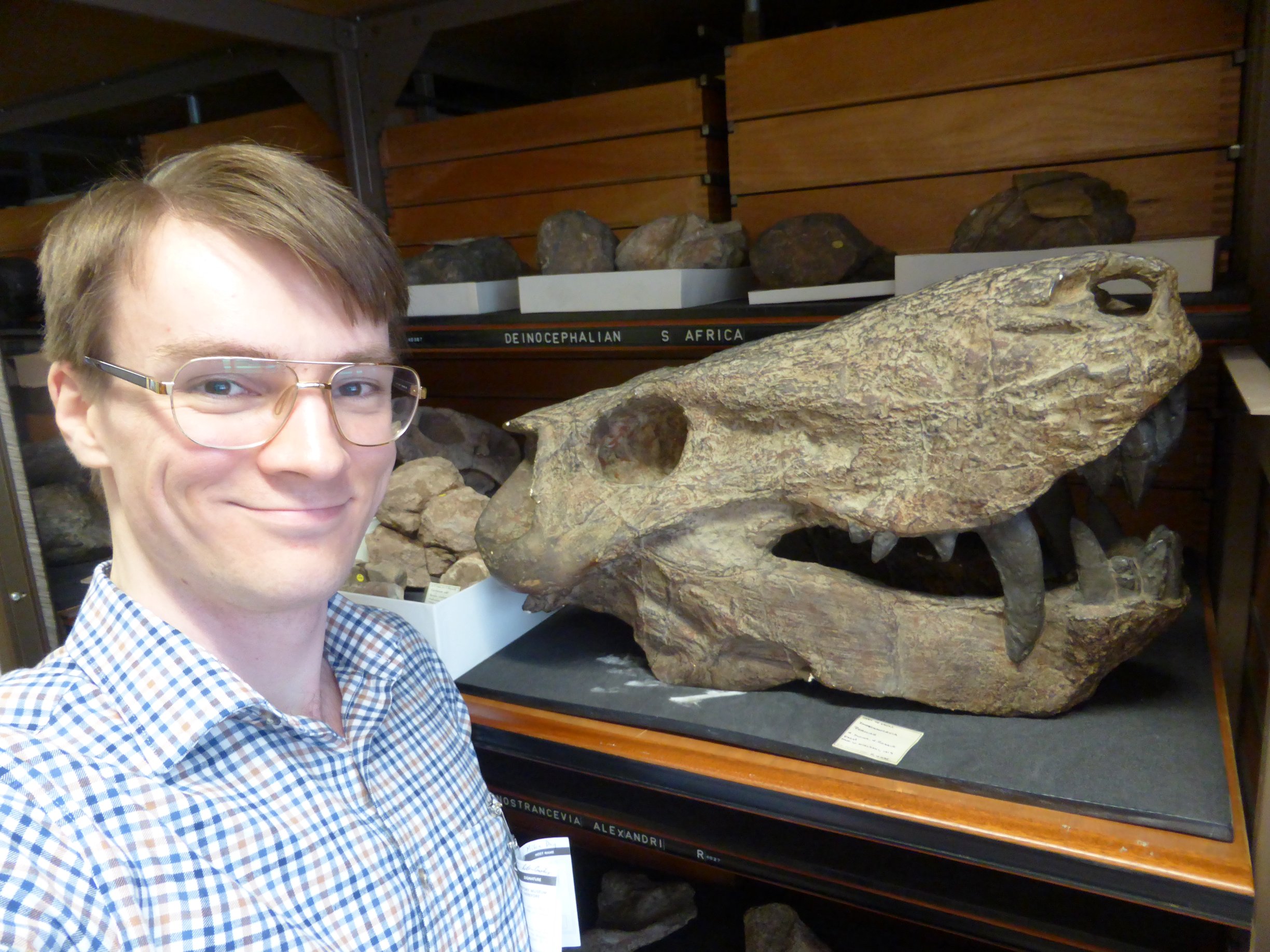
Peter, a man wearing a checked shirt and glasses, standing in front of shelves of fossil bones in a museum collection.
Peter Bishop
USA
October 21, 2025
The makings of a mammal: insights from the fossil record and computer simulation
The origin of mammals involved major reorganization of the locomotor system, from ‘sprawling’ to ‘erect’ limb postures. Yet, despite a rich fossil record, how this shift was achieved has remained challenging to decipher. This talk will summarize recent efforts to integrate the fossil record of mammals and their non-mammalian synapsid ancestors with modern animal anatomy and computational biomechanics. These have helped clarify evolutionary patterns of anatomical transformation, and the timing of major functional shifts. A fully erect limb posture evolved much later than originally thought, well within crown-group mammals. Far from being an orderly, linear narrative, the sprawling-to-erect transition in synapsids is becoming understood as a highly complex, nonlinear, and protracted event.

Image description: Photo of Xianyi playing bass guitar on a stage with a band.
Xianyi Liu
Netherlands
October 28, 2025
Bridging the modern and historical timescales in shallow-marine habitat distribution in the Bahamas
Tropical carbonate platforms are an important coastal ecosystem, comprising a series of shallow benthic habitats, including coral reefs, seagrass meadows, tidal flats and channels. The habitats on carbonate platforms are highly spatially heterogenous and dynamic. Assessing the change rate, change pattern, and understanding the causes of such changes (if there are any) is important, from both the ecological and geological points of view. However, the observations on the coastal systems have time biases: it either very short (few years) or very long (from cores, > 1000 years), and we lack observations acquired at an intermediate timescale (decades) to bridge habitat dynamics observed today with the rock records from the cores. In this study, we used one of the oldest aerial photos from 1945 to constrain the habitat dynamics and compare the habitat distributions with that of today.
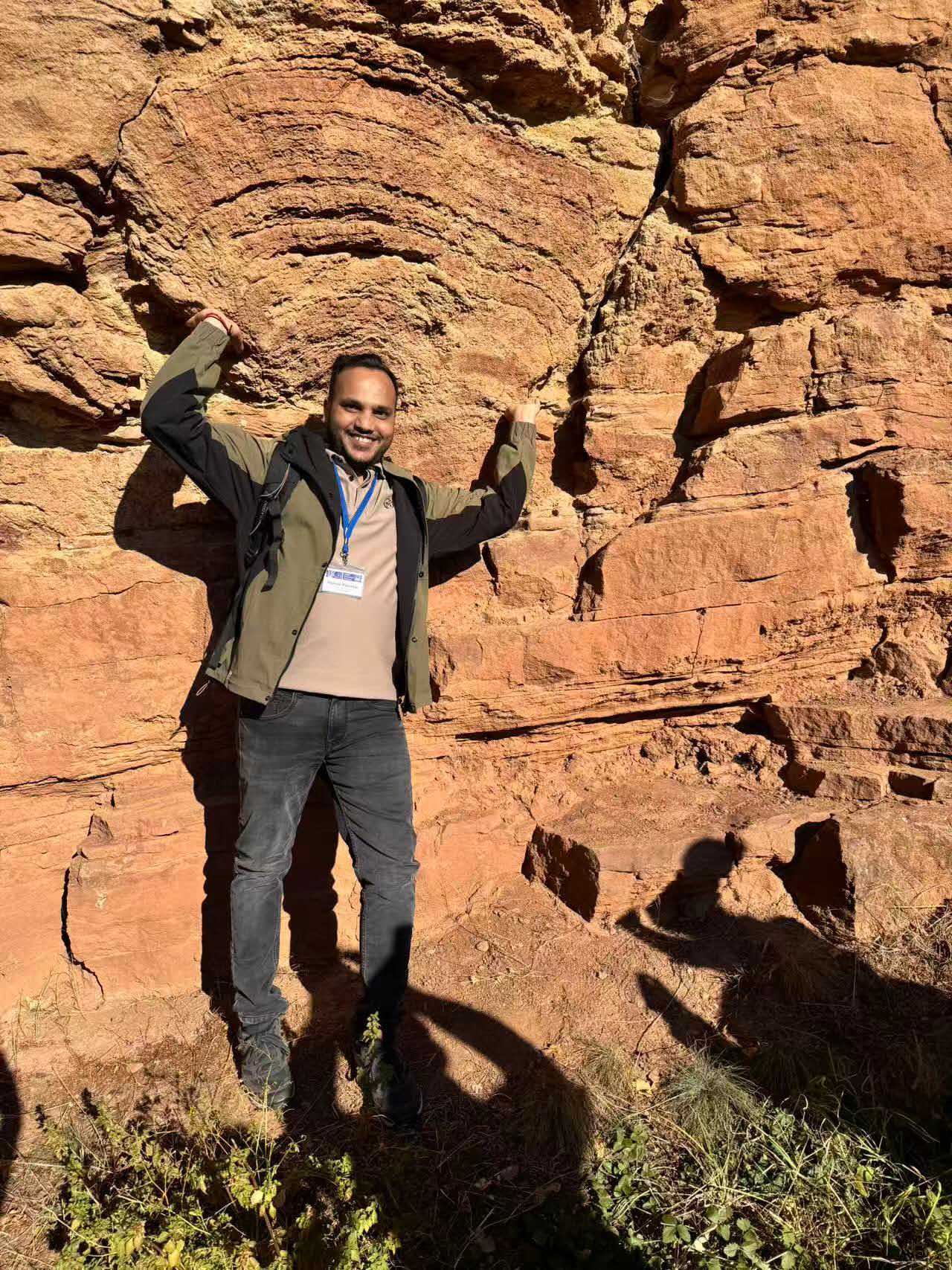
Image description: Viplove Rajurkar, a PhD candidate from Tongji University, standing at an outcrop of Early Triassic stromatolites at Heeseberg, Lower Saxony, Germany—the historic type locality where Ernst Kalkowsky first coined the term “stromatolite” in 1908.
Viplove Rajurkar
China
November 11, 2025
Stromatolites as Novel Geochemical Archives: Paleo-Environmental Reconstruction, Analytical Innovations, and Research Opportunities in China
Stromatolites represent exceptional geochemical archives recording microbial metabolism and environmental evolution throughout Earth’s history. High-resolution analytical techniques, particularly femtosecond laser ablation ICP-MS (FS-LA-ICP-MS), enable unprecedented micro-scale mapping of trace elements and isotopes within stromatolitic laminae. This seminar presents our integrated approach at Tongji University’s Carbonate Geochemistry Laboratory, combining elemental mapping, rare earth element systematics, and redox-sensitive trace metals to reconstruct paleo-environmental conditions in Precambrian microbial habitats. Elemental maps reveal metal partitioning reflecting redox gradients, microbial processes, and diagenesis, while also guiding strategic sampling for isotope analysis and U-Pb dating where biostratigraphic markers are absent. Beyond scientific findings, this talk highlights collaborative research opportunities, funding mechanisms, and career pathways for early career researchers in China’s dynamic geoscience community.
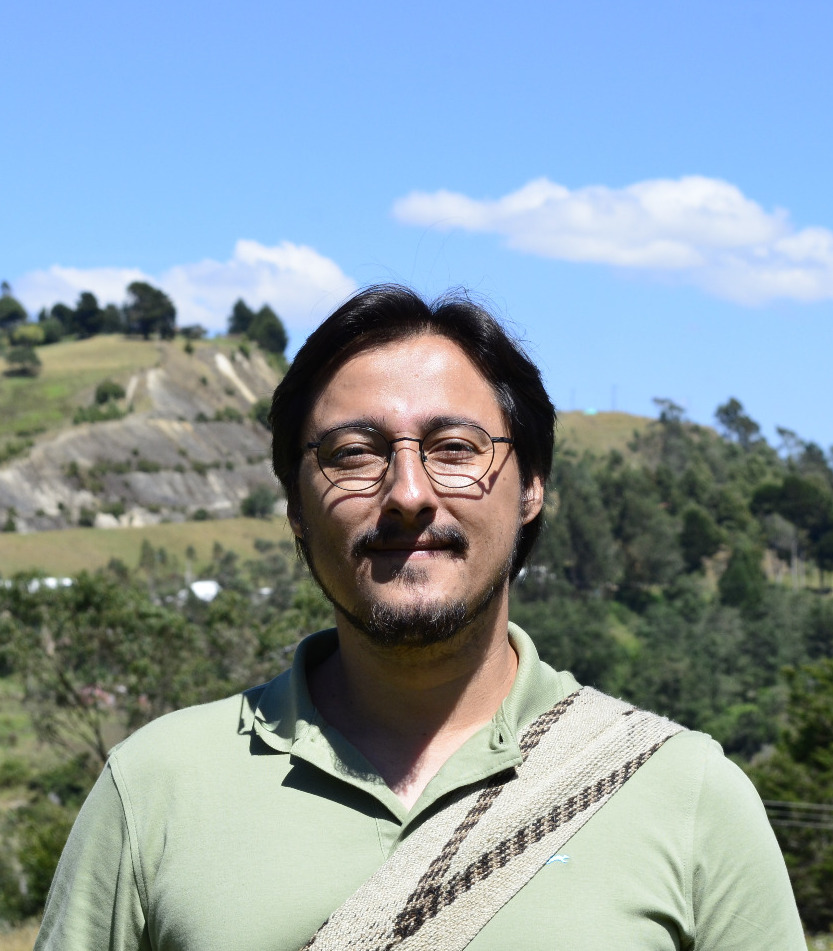
Image description: Photo of Gustavo A. Ballen, a latino man with short black hair, round eyeglasses, short moustache and beard. He wears a pale green t-shirt and a typical arawak bag. He smiles under bright sunlight in a rural landscape from the mountains of the Eastern Andean Cordillera in Boyacá, Colombia.
Gustavo A. Ballen
Brazil
November 18, 2025
Palaeoichthyology and Neogene Palaeogeography of Northern South America
Fossil vertebrates have been used in the literature as a source of information on past palaeogeographic settings in the Neotropics, although fishes have been less studied when compared to other groups such as mammals. Fishes and their fossil record are especially useful for studying past drainage and landmass configurations because of physical restriction to either freshwater or marine aquatic environment that most species present, and their comparatively limited dispersal capacities when compared to other vertebrate groups such as birds or large mammals. The goal of this presentation is to showcase the relevance of fossil fishes from Cenozoic strata in Northern South America to test hypotheses on palaeogeographic reconstructions, especially related to the timing of the Panama Isthmus closure, and the timing of drainage separation as a consequence of the Andean orogeny. We will discuss the implications of the freshwater fossil findings from the Castilletes, Sincelejo, and Ware Formations in Northern Colombia, in the middle Miocene to Pliocene time interval. We will also discuss the use of the fossil record in marine groups for calibrating molecular phylogenies and how this helps us understand the relationship between the Panama Isthmus closure and the evolution of Carangarian fishes. Finally, we will highlight how the need for statistical tools for better integrating and comparing information from the fossil record and molecular phylogenies have triggered the development and computational implementation of methods for estimating events in geological time, and to better use the available fossil record in divergence time estimation.

Image description: Picture of Margot, a white woman wearing glasses, dressed in business casual standing in front of a research poster
Margot D. Nelson
USA
November 25, 2025
Revision of the iconic Oligo-Miocene dolphin Squalodon and the value of taxonomy in paleontology
Taxonomic work is the backbone of vertebrate paleontology and provides crucial scaffolding for our understanding of a fossil’s place in nearly any aspect of science: its evolutionary relationships, its paleoecology, evolutionary trends, biogeographic dispersal, and functional morphology. Furthermore, taxonomy is important in democratizing paleontology, as it provides detailed anatomical descriptions, photographs, and even 3D scans of specimens some workers may never get to see in person. Fossils that do not get proper taxonomic treatment often go understudied. One example is the toothed whale family the Squalodontidae. Despite being a transitional form between the earliest aquatic whales and modern toothed whales, the taxonomic practices of the 19th century rendered the Squalodontidae a “wastebasket taxon” and it has taken over a century for this family to be extensively revisited. Findings reveal the real diversity of this family, their ecological niches, their evolutionary relationships, and the implications for trait evolution in toothed whales. The Squalodontidae highlight the importance of revisiting historic specimens in a modern light and the value of taxonomy in the study of deep time.

Image description: Laura Larocca, an assistant professor at Arizona State University, on a field expedition in southern Greenland, with an iceberg offshore in the Labrador Sea.
Laura Larocca
USA
December 2, 2025
Tracing Climate Change Through Alaskan Glaciers: From the Little Ice Age to a Warming Arctic
Glaciers are sensitive indicators of climate change. In this talk, I’ll explore how Alaskan glaciers record coupled changes in temperature, precipitation, and atmospheric circulation from the Little Ice Age (LIA, ~1250–1900) to today’s warming Arctic climate. Using remote sensing and GIS analyses, we find that glacier equilibrium-line altitudes (the boundary between accumulation and melt) have risen by at least ~170 m since the LIA, with the largest shifts occurring in southeastern Alaska. Glacier morphology and topographic setting explain about one-third of this variation, reflecting differing sensitivities to regional climate forcing and elevation-dependent warming. These patterns indicate that the LIA was generally cooler and drier, and that regional precipitation changes are consistent with a weaker, westward-shifted Aleutian Low that has since strengthened and migrated eastward.

Image description: The photo shows a smiling girl with her hair loose and sunglasses over her head. The background shows the Pyrenees framed by green deciduous trees in summer. The photo was taken during a hike in the Ordesa and Monte Perdido National Park in Aragon in Spain.
Emilia Galli
Spain
December 16, 2025
Terrestrial biomes in paleoecology: insights from Heinrich Walter’s classification
Biomes capture the broad ecological structure of the Earth, providing a powerful ecological framework that links climate, vegetation, and biodiversity, making them essential for interpreting past environments where detailed data are scarce. Their use is especially valuable in paleoecology, allowing robust, climate-based reconstructions of ancient landscapes. This enables the study of biomes’ geographic evolution, historical fragmentation, and their impact on faunal evolution. Heinrich Walter’s classification stands out for its integrative approach combining climatic and biological thresholds to define terrestrial biomes. We developed WaltR, an open-access R function that formalizes Heinrich Walter’s biome classification. This function utilizes explicit temperature and precipitation thresholds to identify the ten major terrestrial biomes, providing the first explicit quantification of this classification and strengthening the connection between climate datasets and ecological interpretation across timescales.
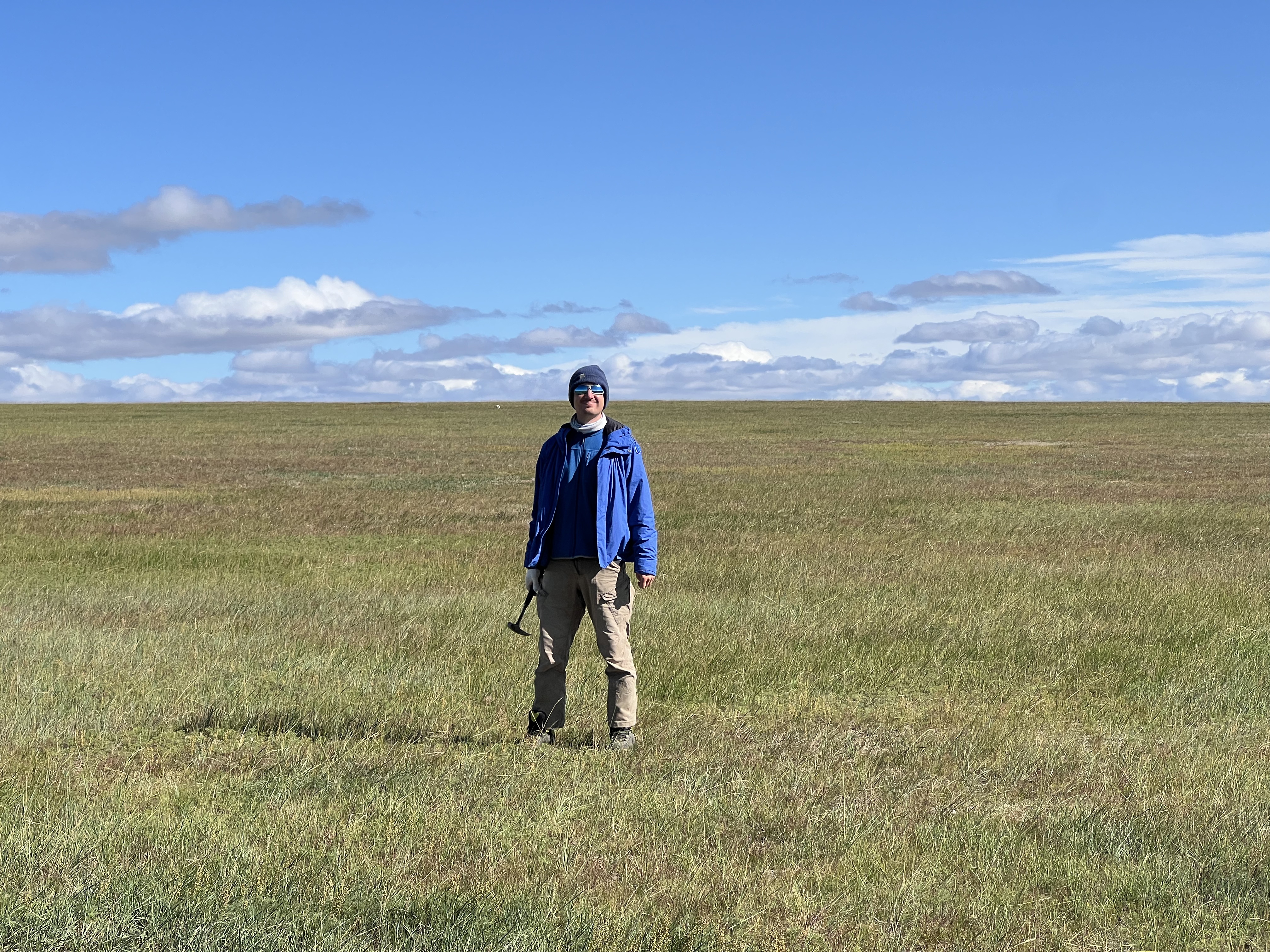
Image description: Alessandro standing on a supposed outcrop bearing Permian brachiopods in Mongolia: there was no outcrop in the sight of kilometers. September 2025
Alessandro Carniti
China
January 13, 2026
Brachiopods in late Palaezoic reefs: much more than boring “dwellers”
Brachiopods were among the most successful groups of marine invertebrates in the late Palaeozoic, so it is not surprising that they were commonly found also in reefs. However, most reef workers have overlooked the brachiopod component of reef faunas, mainly focusing on the corals. A palaeoecological re-evaluation of the reefs from the Carboniferous of England and their brachiopod faunas shows how brachiopods were not simple secondary reef dwellers: they were abundant, diverse, partly endemic and highly specialized to the reef environment, and thus they were playing a fundamental role in shaping the reef structure and influencing its ecosystem. This research shows the importance of studying all taxonomic groups in ancient reef environments, not only focusing on the most obvious reef builders.
 Pal(a)eoPERCS