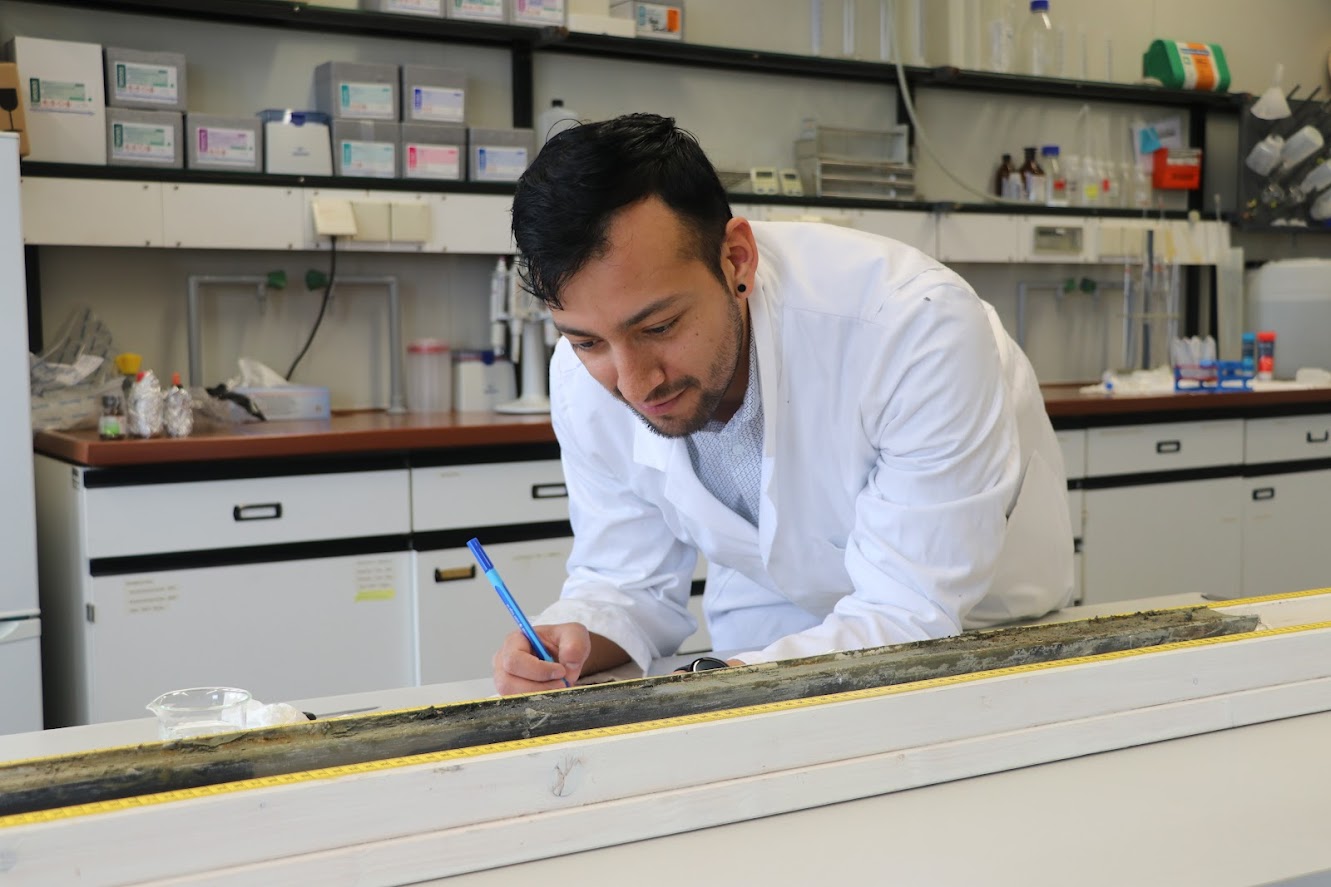
Image description: I enjoy the sedimentology and stratigraphy of the lacustrine records we work on. This is a photo describing sediments from Schliersee Lake, located in southern Germany.
Rodrigo Martínez-Abarca
Germany
February 10, 2026
Climate and environmental variability in the eastern equatorial Atlantic and the northern tropical Americas: from orbital cycles to human activity
This talk explores climate and environmental variability in the eastern equatorial Atlantic and northern Neotropics during the Late Quaternary. Marine sediments from ODP Site 663, analyzed with X-Ray Fluorescence geochemistry, reveal orbital- and half-precessional-scale dynamics of the West African Monsoon over the last 1.25 million years. In contrast, lipid biomarkers and elemental data from Lake Petén Itzá sediments document hydroclimate variability during the past 400 thousand years, shaped by hemispheric-scale changes and human activity in Central America. Together, these records highlight the sensitivity of tropical systems to external and internal forcing and their relevance for understanding past and future climate change in densely populated regions.

Image description: Picture of Jonathan a white man wearing a cap, field shirt and smiling with a backdrop of Colorado plateau at Bluff, Utah, USA.
Jonathan Stine
USA
February 17, 2026
Paleozoic Equatorial Records of Melting Ice Ages (PERMIA): calibrating the pace of paleotropical environmental and ecological change during the Late Paleozoic Ice Age
The upper Paleozoic Cutler Group of southern Utah, USA, is a key sedimentary archive for understanding the Earth-life effects of the planet’s last pre-Quaternary icehouse–hothouse state change: the Carboniferous–Permian (C–P) transition (~304-290 Ma). Within the near-paleoequatorial Cutler Group, this transition corresponds to a large-scale aridification trend, loss of aquatic habitats, and ecological shifts toward more terrestrial biota as recorded by its fossil assemblages. However, fundamental questions persist. (1) Did continental drift or shorter-term changes in glacio-eustasy, potentially driven by orbital (Milankovitch) cycles, influence environmental change at near-equatorial latitudes during the C–P climatic transition? (2) What influence did the C–P climatic transition have on the evolution of terrestrial ecosystems and on the diversity and trophic structures of terrestrial vertebrate communities?
The Paleozoic Equatorial Records of Melting Ice Ages (PERMIA) project seeks to resolve these issues by studying the Elk Ridge no. 1 (ER-1) core. This legacy core, collected in 1981 within what is now Bears Ears National Monument, recovered a significant portion of the Hermosa Group and the overlying lower Cutler Group, making it an ideal archive for studying paleoenvironmental change during the C–P transition. Using a combination of biostratigraphy, geophysical and geochemical core scans, cyclostratigraphy, and magnetostratigraphy, we tentatively determine that the aridification event, and associated biotic turnover, occured on a timescale more indicative of climate change rather than tectonic movement.
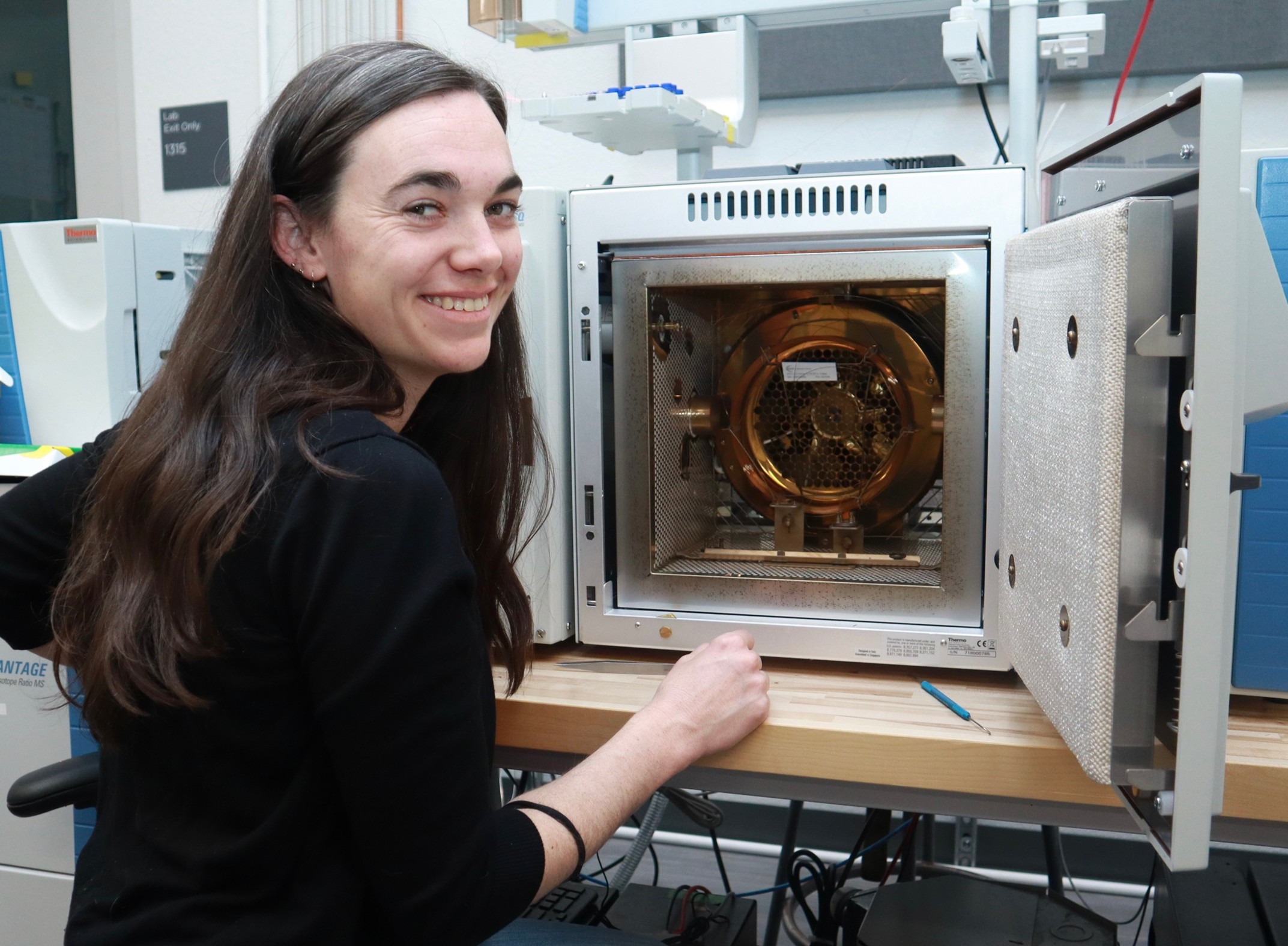
Image description: Dr. Emma A. Elliott Smith working on instrumentation for isotopic analysis; shown here is a Gas Chromatography Isotope Ratio Mass Spectrometer System at the University of New Mexico’s Center for Stable Isotopes. This instrument was used to measure δ13C values of individual amino acids from sea otter remains recovered from archaeological sites. Photo credit Jeng Hann Chong.
Emma Elliott Smith
USA
February 24, 2026
Reconstructing historical sea otter ecology with zooarchaeology and stable isotopes
Archaeological faunal assemblages offer a powerful way to anchor modern conservation goals to pre-industrial baselines. Through stable isotope analyses of these specimens, we can reconstruct historical diets, trophic positions, and habitat use. In this talk, I apply this approach to the sea otter (Enhydra lutris), a keystone marine predator that for millennia structured coastal food webs within Indigenous managed socio-ecological systems before being nearly extirpated during the EuroAmerican maritime fur trade. I present stable carbon and nitrogen isotope data from sea otter bones recovered at archaeological sites across the North Pacific, combining bulk tissue and compound-specific (amino acid) analyses to resolve patterns of habitat use and trophic ecology. These data reveal significant spatial variability in past sea otter foraging ecology and provide important context for contemporary recovery efforts. More broadly, this case study demonstrates how zooarchaeology and stable isotope geochemistry can inform present day conservation efforts.
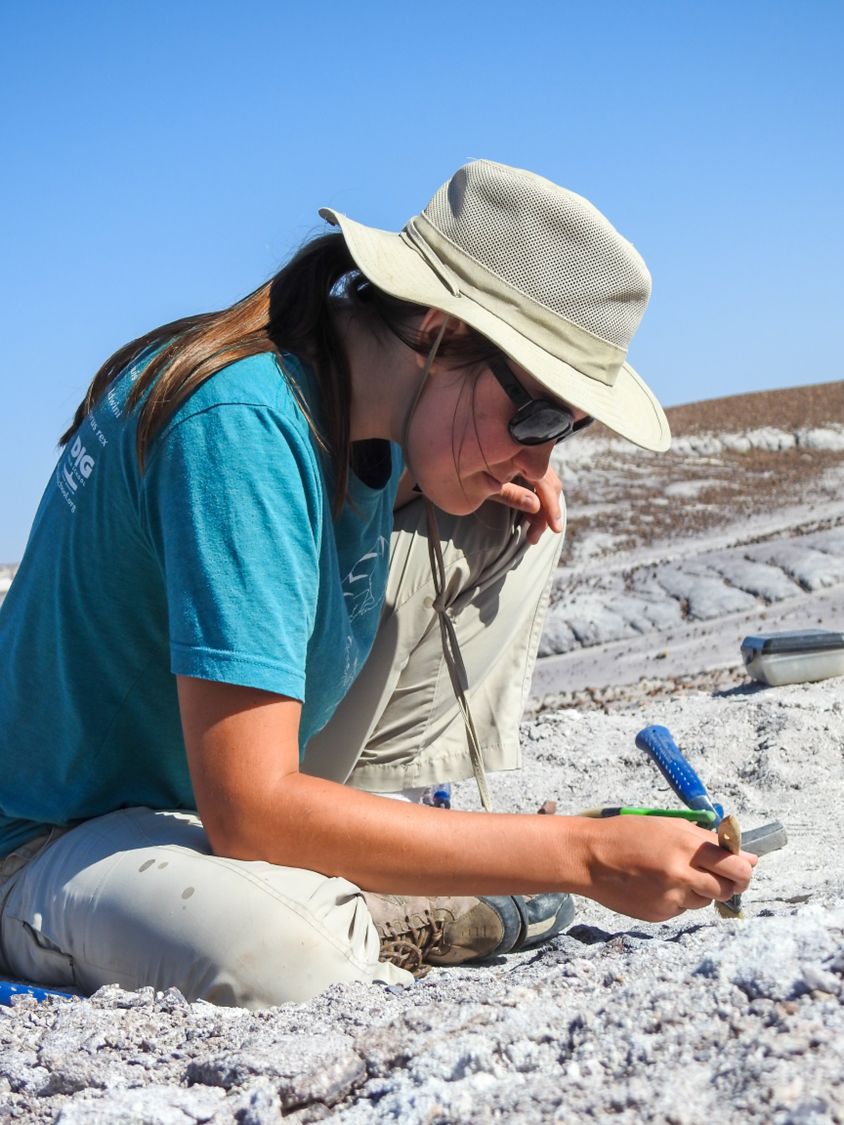
Image description: Photo of Savannah brushing away sediment in the badlands of Arizona.
Savannah Olroyd
USA
March 4, 2026
Exploring the mechanisms underlying the convergent evolution of heterodonty in vertebrates
Advances in molecular developmental biology have revealed that many occurrences of convergent evolution are better categorized as parallel evolution, the acquisition of a similar trait in closely related lineages through the co-option of ancestrally shared genetic, developmental, or morphological units. The concept of parallel evolution is still poorly formed in evolutionary biology, and major questions remain regarding the extent of its role in macroevolutionary patterns. One feature that may be an example of parallel evolution is heterodonty, the variation in tooth size and/or shape along a jaw. While heterodonty is often considered a mammalian feature, several non-mammalian taxa also exhibit varying degrees of heterodonty. Our ongoing research attempts to characterize heterodonty across reptiles and compare the mechanisms underlying heterodont tooth development in reptiles and mammals.
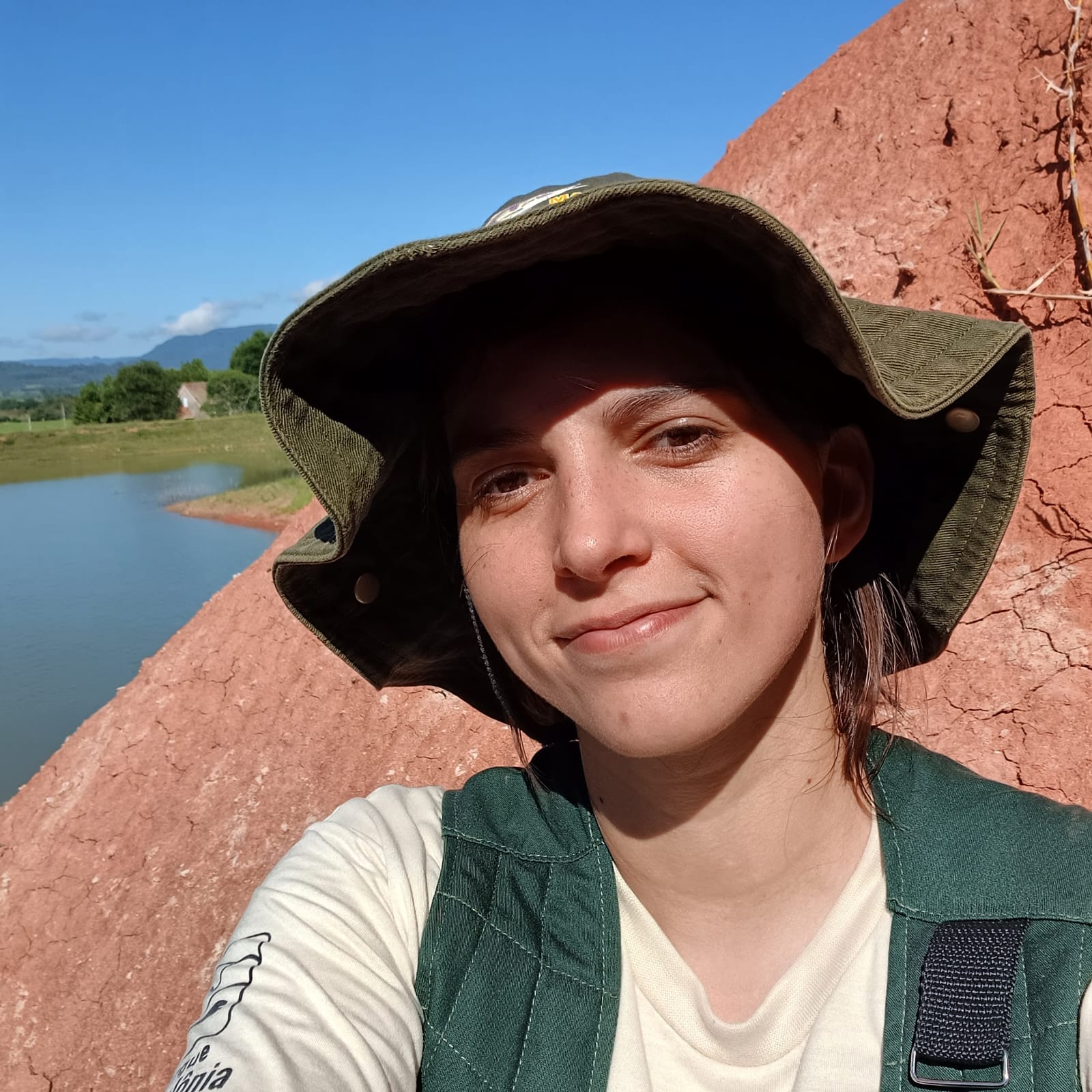
Image description: Letícia is smiling with fieldwork clothes in front of a reddish dirt at a paleontological outcrop.
Letícia Rezende de Oliveira
Brazil
March 10, 2026
A Biomechanical Tale: Reconstructing the largest predator of Brazilian Middle Triassic
The Triassic Period happened between two of the largest known mass extinctions, presenting an iconic faunal diversity that originated many of the predominant lineages found today. Brazil only preserved a small section of Triassic outcrops, yet it has provided a plethora of fossils with international relevance, such as some of the oldest dinosaurs in the fossil record. The amount of species and material collected during the last hundred years of paleontological studies in Brazil allows the implementation of new approaches to investigate the paleobiology and paleoecology of the Triassic environment. Our research explores biomechanical aspects of the largest predator of Brazilian Middle Triassic, looking into the evolution of an erect stance and bipedal posture in the Pseudosuchia lineage, independent from other lineages with similar postures.

Image description: Photo of a young white woman with long, dark blonde hair. She is facing the camera and wearing a yellow top with flowers on it.
Joanna Tindall
PLOS One
March 17, 2026
Publishing for ECRs
PLOS is a non-profit, open access, scientific publisher. Joanna is a staff editor on PLOS One, a multi-disciplinary journal that publishes work on the basis of scientific validity, strong methodology, and high ethical standards—not perceived significance. This session will discuss practical tips for helping you to get your research published – from choosing a journal to getting your work ready for submission. The second part of the session will focus on careers within scientific publishing.
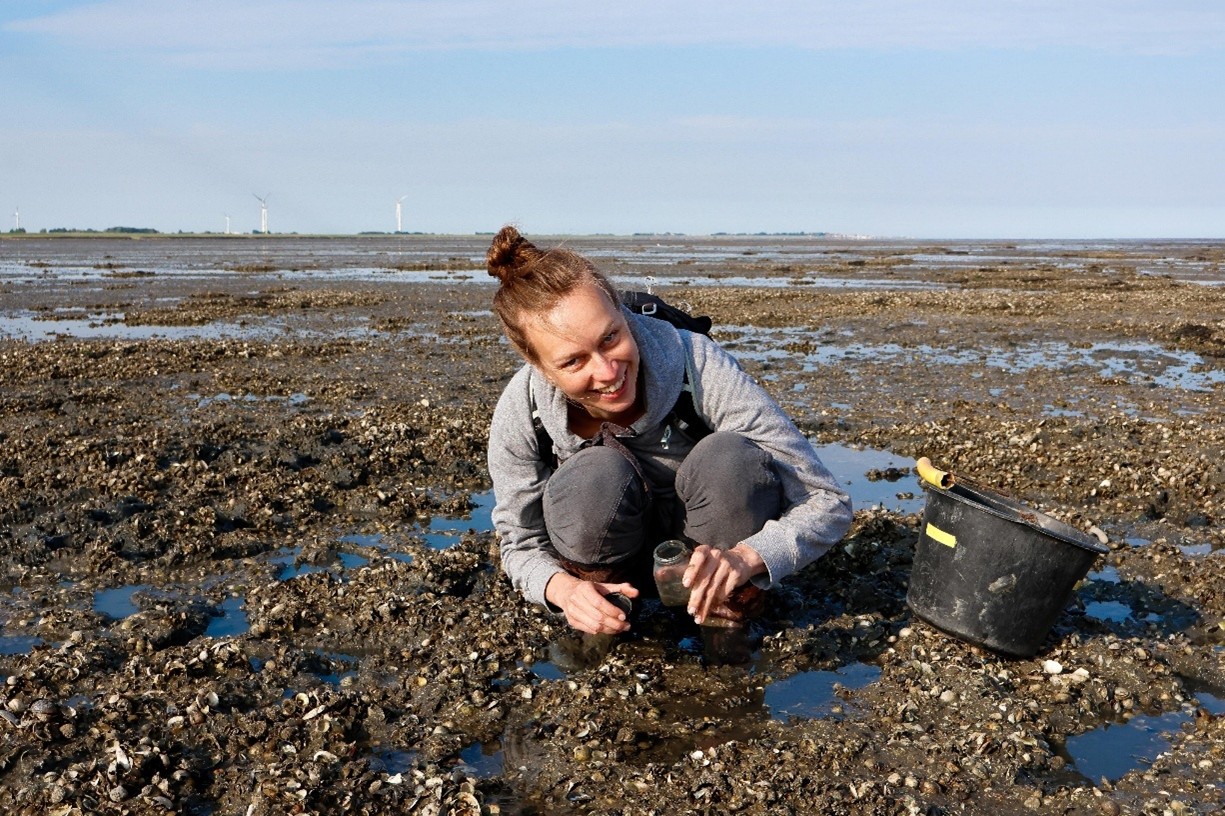
Image description: This is me (Vanessa) crouched beside a black bucket, collecting clams and snails at the German Wadden Sea.
Vanessa Fichtner
Germany
March 24, 2026
When Sulfate Hides in Carbonates: Unlocking Geochemical Secrets across diverse Environments
Carbonate-Associated Sulfate (CAS) has emerged as a powerful proxy for reconstructing ancient ocean chemistry, redox conditions, and climate dynamics. This talk explores CAS across diverse depositional and diagenetic settings, including deep-sea pelagic carbonates, shallow marine deposits, and terrestrial environments. I will present foundational studies that shaped our understanding of CAS to latest research on sulfate cycling in the deep biosphere and applications of CAS in petroleum production water.

Image description: Holly-Anne, a white woman in a floral dress, sitting under a tree in the Brisbane Botanic Gardens.
Holly-Anne Turner
Ireland
March 31, 2026
The hangover flora: Plant survivors of the end-Permian hyperthermal extinction event
The end-Permian extinction event (EPE; 252 Ma) was the most extreme mass extinction in Earth’s history. In Gondwana, the EPE resulted in a turnover from the Glossopteris-dominated flora of the Permian to the Dicroidium-dominated flora of the Triassic. Early Triassic Dicroidium records are rare, and our understanding of how and when this ecologically important taxon rose to dominance is lacking. By analysing plant diversity, plant-arthropod interactions and estimating atmospheric CO₂, using Early Triassic Dicroidium fossils from the Sydney Basin, we aim to provide a gauge of ecosystem recovery and carbon sink stabilisation in Gondwana following the EPE.

Image description: Dr. Brittany Hupp stands, facing the camera, smiling in front of a large globe.
Brittany Hupp
USA
April 21, 2026
Deconvolving the Effects of Sediment Mixing on Microfossil Records from the Paleocene Eocene Thermal Maximum
Deep sea foraminiferal records have been invaluable to the reconstruction of past ocean-climate change. However, these microfossil records are highly susceptible to influence by secondary processes such as sediment mixing, whereby primary environmental and ecological signals may be obscured. These issues can be particularly prevalent to rapid global change events which may only be represented by 10s of centimeters in open ocean sedimentary records. Here I will present a few case studies showcasing how individual foraminifera analysis can be used to refine ecological and climatic interpretations of ancient rapid global change events, with examples from the Paleocene-Eocene Thermal Maximum.

Image description: Caught in the field with an old friend from the archive business. Sequoias may not attend seminars, but they do keep excellent records. Join my Pal(a)eoPERCS talk.
Jernej Jevšenak
Slovenia
April 28, 2026
Climate-sensitive periods of tree growth are advancing in cold and delaying in dry climates
Global warming alters the strength of tree-growth responses to climatic variability, but changes in the timing and duration of critical climate-sensitive periods (CSPs) remain uncertain. We quantified CSP dynamics using an extensive extratropical tree-ring network (2,907 sites across six Köppen–Geiger climate zones) together with daily climate data for 1950–2010. In cold-limited regions, CSPs shifted earlier, with both earlier onset (-4.6 ± 0.3 days decade⁻¹) and earlier end (-3.8 ± 0.3 days decade⁻¹), consistent with spring and early-summer warming and associated phenological advances. In contrast, water-limited sites showed a later CSP end (0.5 ± 0.2 days decade⁻¹) and an overall lengthening of the CSP (1.3 ± 0.1 days decade⁻¹), likely because intensifying drought increases water stress and delays peak climate sensitivity. These shifts in the magnitude and timing of tree climate sensitivity are likely to continue under ongoing warming, with direct implications for forest carbon dynamics and their projection.
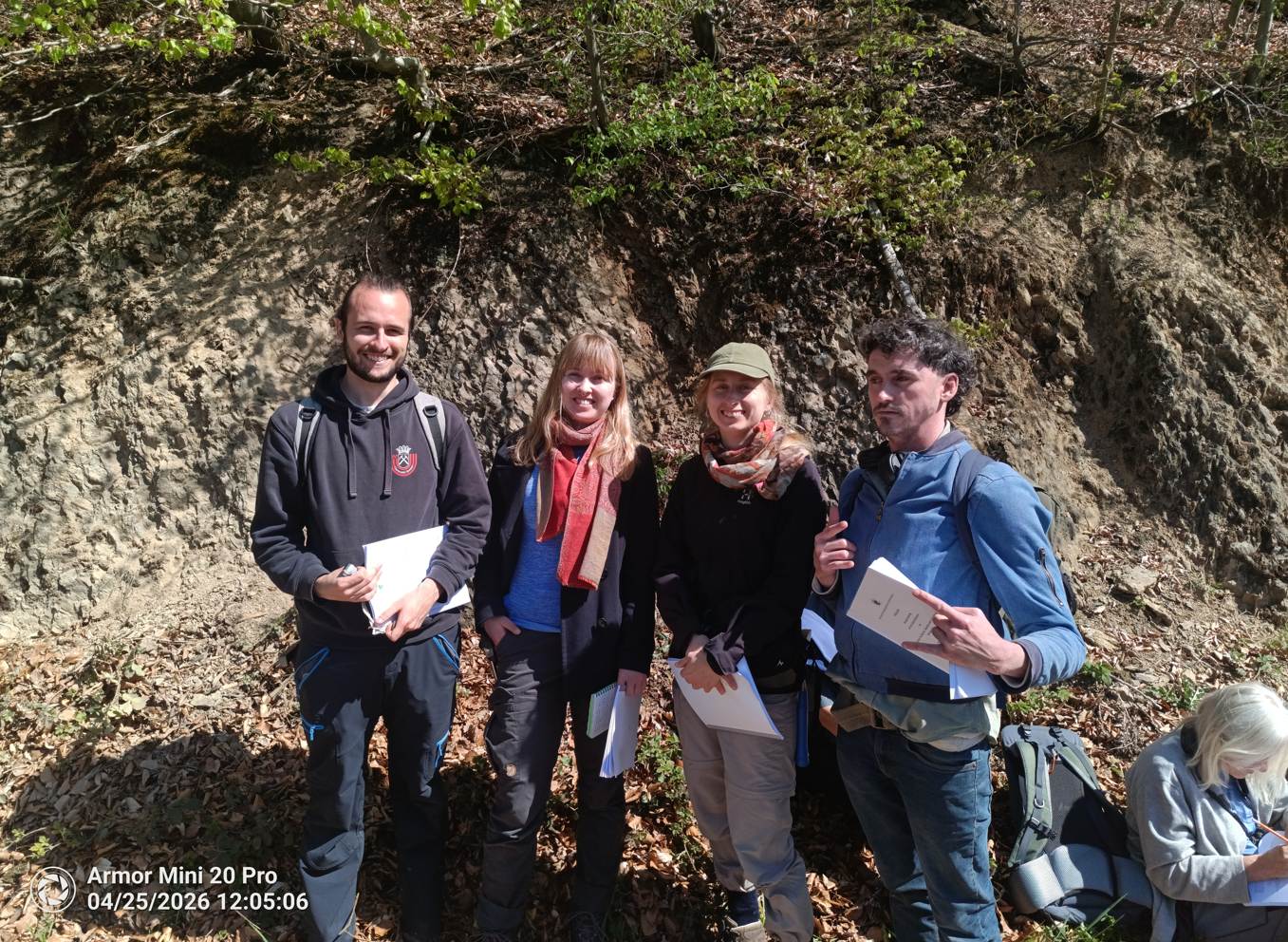
Image description: Devonian researchers from University of Muenster at the Devonian-Carboniferous Boundary in Sauerland, Germany; (left to right) J. Quabeck, N. Wichern, I. Grauthoff, C. Harris.
Chris Harris
Germany
May 5, 2026
A case study in ichnology from the Upper Devonian in Gondwana
Trace fossils give us insights into animal activities that do not preserve in body fossils, and moreover, –to paraphrase Buatois et al. (1997; ‘The Paradox of Nonmarine Ichnofaunas in Tidal Rhythmites’) – whereas sediment transport is mainly independent of salinity, the distribution of benthos is not. Ichnology can therefore be conceived of as the uniting of sedimentology and biology. A monograph containing descriptions of trace fossils from Upper Devonian strata in South Africa includes 18 ichnogenera, as well as seven unknown types. The results lead to discussions on the utility of ichnotaxonomy and the ichnofacies paradigm.
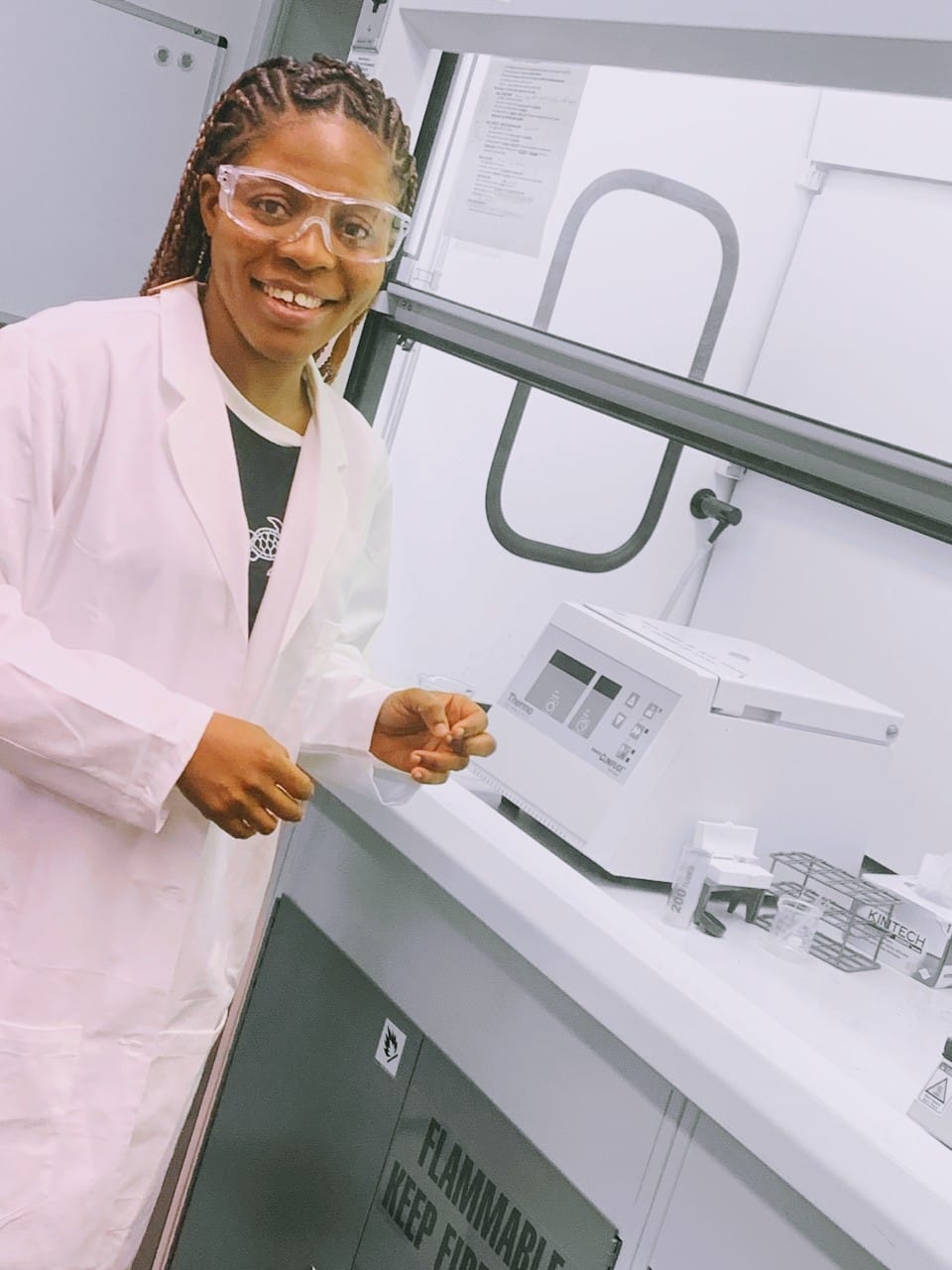
Image description: This photo shows Helena Kwarteng, a brown-skinned woman, wearing a white lab coat and safety goggles while standing beside a laboratory fume hood and smiling at the camera.
Helena Kwarteng
New York
May 19, 2026
Quantifying Diachroneity of Calcareous Nannofossil Datums Across the Western Pacific Ocean
Planktic foraminifera and calcareous nannofossils are important tools for dating marine sediments and reconstructing past ocean conditions. This talk investigates whether key calcareous nannofossil datums exhibit diachroneity across the western Pacific Ocean during the Neogene and Quaternary. Preliminary findings reveal shifts in both first and last occurrences of key nannoplankton species, suggesting regionally diachronous trends, although generally of smaller magnitude than those observed in planktic foraminifera.
Image description: I am pictured here with a large chunk of T. rex femur that I recently found while surveying the Hell Creek Formation of Northeastern Montana.
Nick Thurber
USA
May 26, 2026
YouTube
Correlation of typical behavior with hind-body and forebody morphology of mammals
The skeletal morphology of mammals has been used to infer behavior by countless functional morphologists with most implementing forebody morphology into their research and some implementing traits from throughout the body. The extent that hind-body morphology is reflected in mammalian behavior has yet to be thoroughly researched and compared to forebody morphology. Here I compare lever-arms from forebody joints to those from hind-body joints over sixteen locomotor categories, based on 277 extant mammal species. The classification rates from linear discriminant analyses (LDA) suggest that forebody traits are most effective at discriminating specialized lifestyles and hind-body traits are more effective at discriminating unspecialized lifestyles involving semi-aquatic paddling and walking. The LDA was only able to classify specialized and unspecialized lifestyles with high accuracy after being performed with a dataset that included forebody and hind-body traits revealing the ability of LDA to infer the behaviors of extinct mammals when performed on traits from throughout the body.
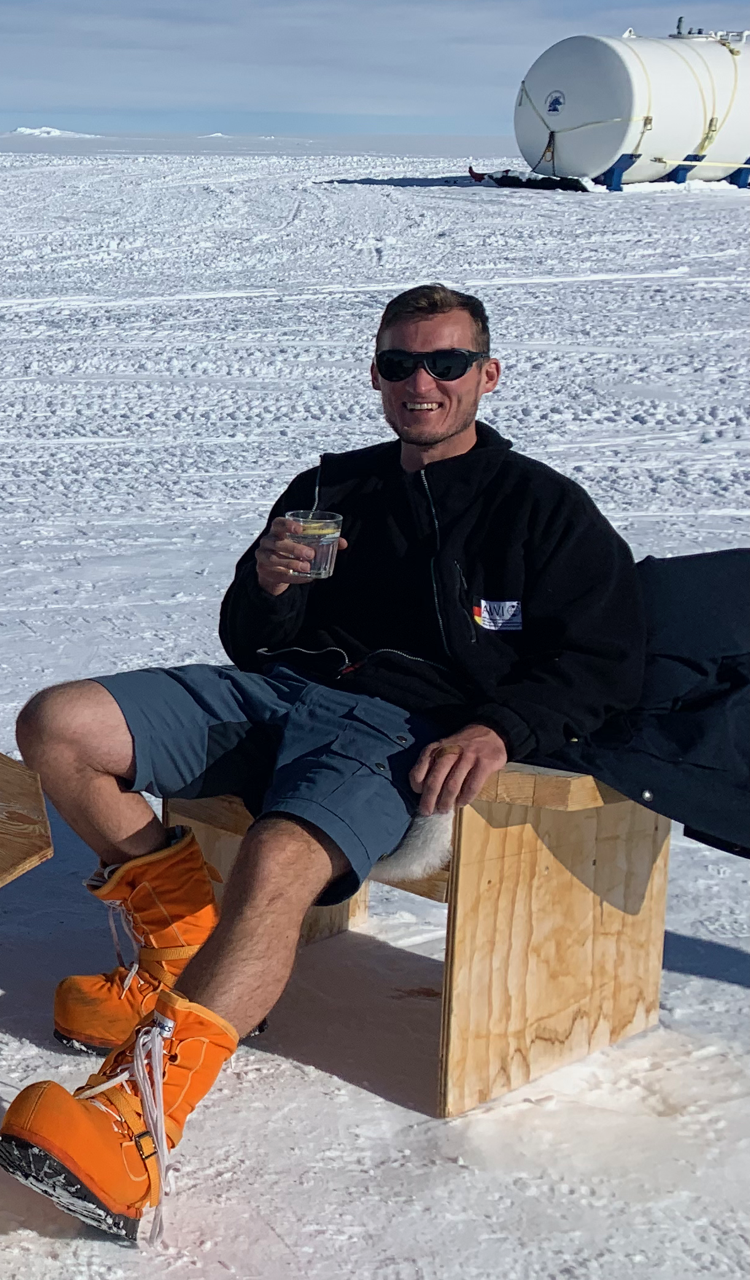
Chemical impurities in the microstructure of polar ice
Ice cores from the polar regions are unique climate archives while also providing direct insights into ice dynamics, an important contributor to global sea-level rise. Chemical impurities are preserved in the ice and can be used as proxies for warm and cold climates, but they also interact with the ice microstructure (crystal shape and size) in poorly understood ways. In this talk, I will present an overview of ice cores as climate archives, focusing on ongoing research on the oldest ice from Greenland and Antarctica using optical and chemical high-resolution methods.

Image description: Victoria sitting in front of a large tree stump.
Victoria Harris
USA
June 30, 2026
YouTube
Precipitation, Vapor Pressure Deficit, and Wet-Day Frequency Reconstructions of Early Summer Iowa Hydroclimate
Increasing global temperatures have caused noticeable and marked weather and hydrologic changes across the United States. The Midwest in particular has shown an overall “wetting” trend while simultaneously experiencing droughts in recent decades. How far these shifts fall outside historic internal climate variability remains an ongoing topic of research and requires long-term context. Further, these changes raise questions not just about future overall water supply and demand, but also its daily temporal changes. Here I present May-July tree-ring reconstructions for three key hydroclimate variables in the central Midwest region: precipitation, vapor pressure deficit, and wet-day frequency. Overall, my findings indicate the region has become wetter versus historic norms and the frequency of shifts between above and below average years is increasing. These changes can have vast consequences in a heavily agricultural region already prone to devastating floods, and may indicate that new water management strategies will be needed in the future.
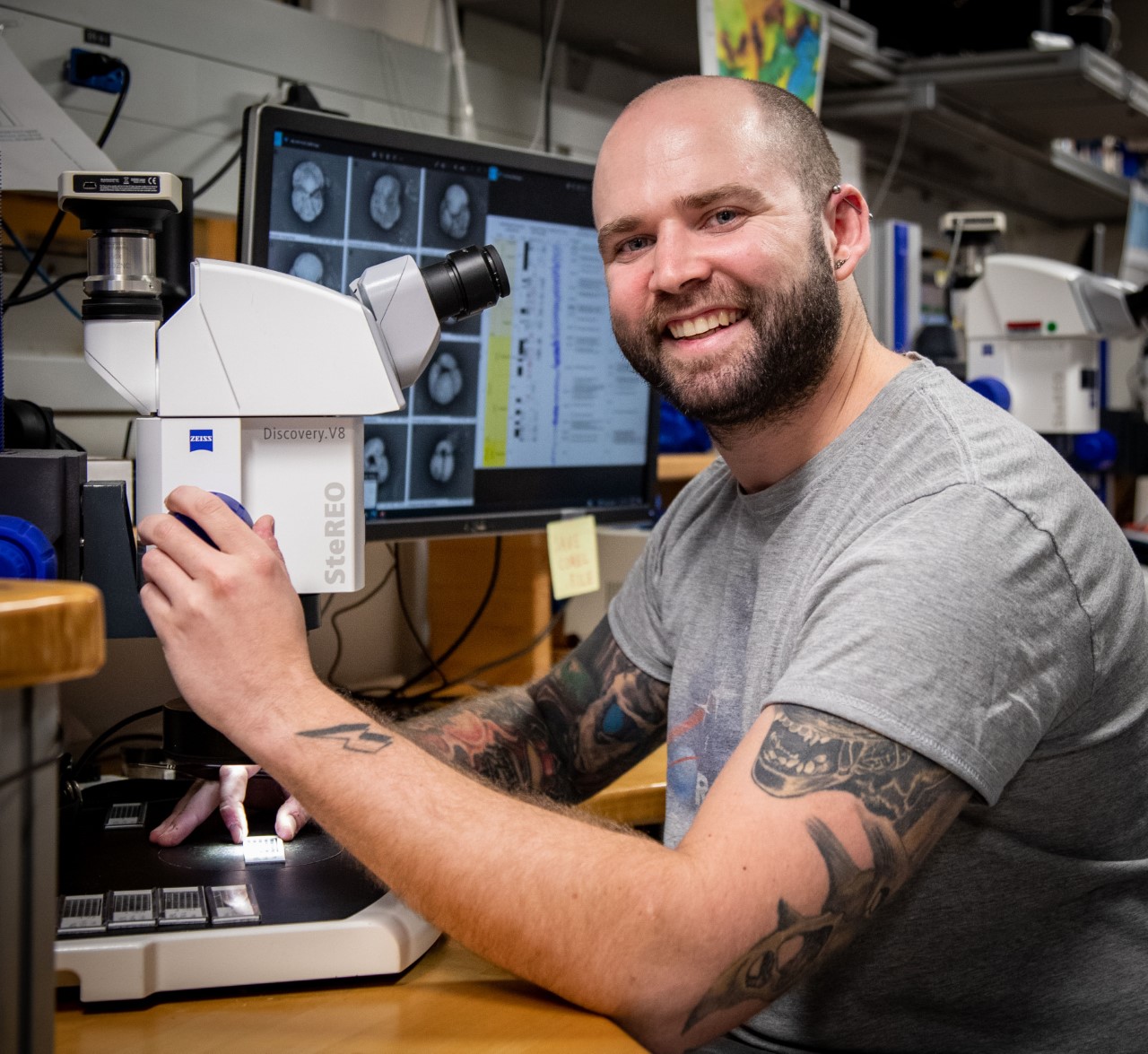
Image description: Adam using planktonic foraminifera to date sediments on IODP Expedition 398 in the Aegean Sea.
Adam Woodhouse
UK
August 04, 2026
Macroevolutionary volatility and upheaval governed the Cenozoic marine realm
The planktonic foraminifera exhibit the best species-level fossil record available to science. Decades of work have led to an extensive breadth of knowledge of their functional ecological and morphological traits, as well as the ability to collate their occurrences into global occurrence datasets with the potential to explore these functional roles from the global to the regional perspective.
Following the collation of the Triton planktonic foraminifera occurrence dataset, efforts have been focussed on leveraging this incomparable archive to better understand the evolutionary and biological response of the planktonic ecosystem to Cenozoic climate change. This presentation highlights some of the key novel discoveries that have come to fruition with the Triton dataset and showcases exciting projects in preparation:
Firstly, new work looking into compositional variability to assess the temporal and spatial heterogeneity of planktonic foraminiferal communities shows that the Cenozoic was a period of punctuated volatility with high turnover post K-Pg mass extinction and during the Late Neogene cooling. Using a new statistic called FAVA, this work highlights key features of global communities including equatorial regions stabilizing over time, whereas polar communities, especially in the Southern Ocean, destabilized; and equatorial regions homogenizing from initially high heterogeneity, whereas polar communities showed the opposite pattern, including a “latitudinal seesaw” of spatial heterogeneity over the past 30 million years.
Secondly, by assessing the planktonic foraminiferal record to track changes in their functional ecological groups through the Cenozoic greenhouse-icehouse transition at the Eocene-Oligocene Boundary (~34 million years ago), it was found that warm-water-adapted species, especially photosymbiotic taxa occupying the surface mixed-layer, gradually declined in richness. In contrast, cool water dwellers, such as the thermocline and sub-thermocline species, showed steadier speciation through the Eocene, followed by post-EOT diversification across the globe. These patterns may represent protracted and transient cooling events across the greenhouse-icehouse transition laying the foundation for early colonization of the oceanic “twilight zone”. This may have ultimately set the stage for many of the biodiversity patterns that are still present in the modern day.

Image description: Katie, a white woman with brown hair, wearing blue jeans, a white turtle neck, and a black coat, is standing in front of the Grand Canyon in Arizona. It’s a beautiful day and the sun is illuminating the rocks. Katie is very happy to be there!
Katie Jamson
Canada
August 18, 2026
The response of deep sea sediments to Cenozoic paleoclimate and paleoceanographic events
Pelagic sediments are exceptionally well preserved and provide an invaluable insight into changes in paleoclimatic and paleoceanographic events through the Cenozoic. Quantifying how sedimentation has evolved both temporally and spatially offers a unique perspective of how these interactions impact upon production, deposition, and preservation of sediments across various scales. In particular, biogenic sediments (calcareous and siliceous oozes) can provide an understanding of biogeochemical cycles and changes in upwelling patterns as tectonic gateways open and close, though there have not been as many studies on a global scale investigating these, in particular focusing on spatial change.My analyses focus on three regions in the Pacific Ocean: the Equatorial Pacific, the Kuroshio Current, and the Tasman Gateway. Changes in siliceous deposition in the Equatorial Pacific shows how the Pacific Walker Circulation has changed through time, and the gradient of biogenic sedimentation from east-west that becomes increasingly obvious towards the present day indicates the formation of the Western Pacific Warm Pool. From the Miocene to the Quaternary, there is evidence in the Northwest Pacific for the establishment of the Kuroshio Current and its offshoot currents such as the Tsushima Warm Current and the Kuroshio Current Extension, evidenced by changes in silicate sedimentation. In addition, the northward movement of Australia away from Antarctica shows how the opening of the Tasman Gateway impacted the sediment record, and how shallow water carbonates began to develop around the continent from the Oligocene onward. The code used to create the map outputs in this study will be open access and conform to the FAIR data principles, ensuring this work can be replicated in the future, especially with further refinement of the chronology.
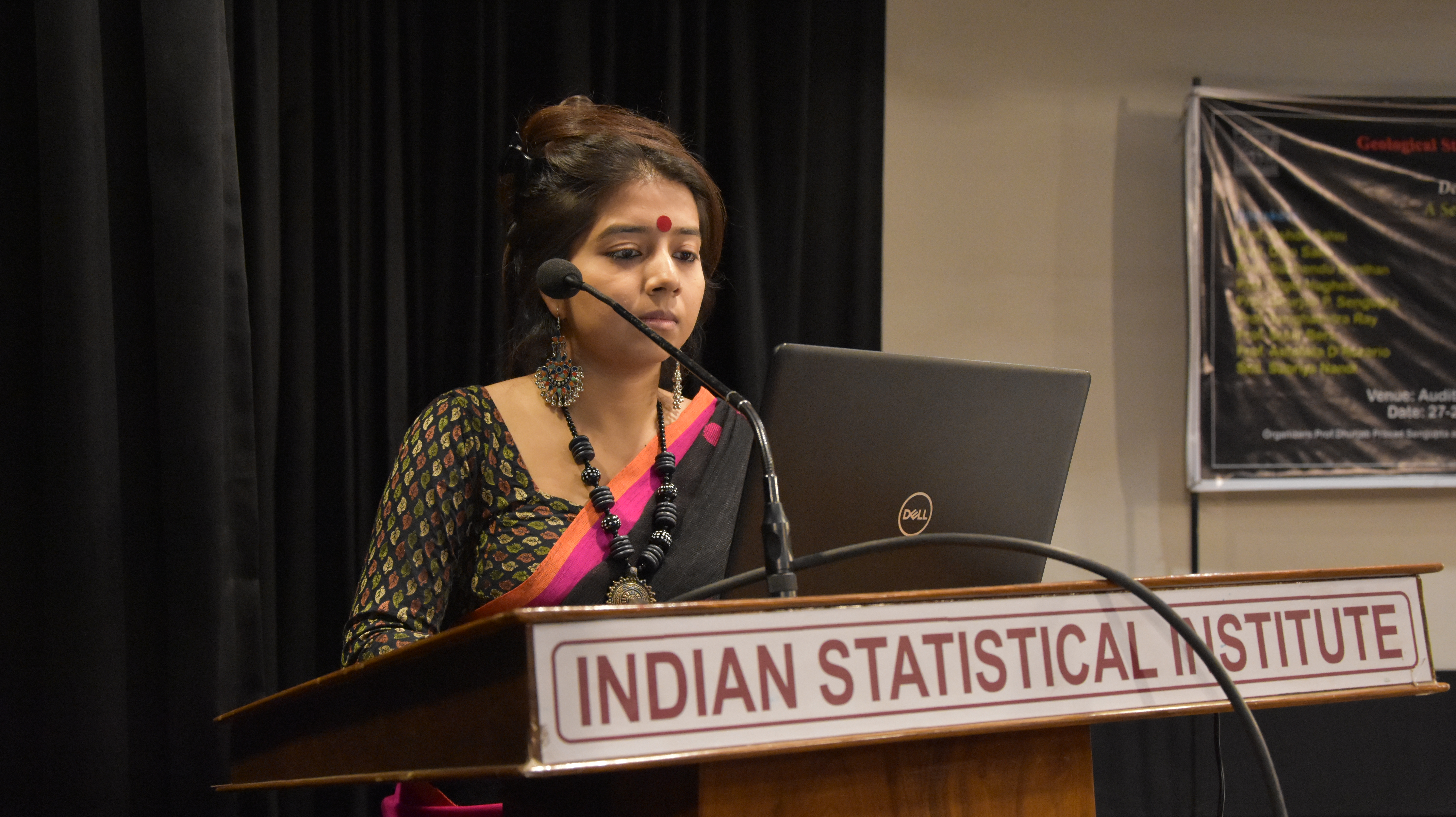
Image description: Sanjukta Chakravorti being an organizer delivering lecture at the Indian Statistical Institute, Kolkata.
Sanjukta Chakravorti
Germany
August 25, 2026
Before the Dinosaurs: India’s Lost World of Giant Amphibians
Long before dinosaurs came to dominate the popular image of the Triassic, giant amphibians lived across the rivers and lakes of what is now India. Using fossils from Panchet, Denwa, Maleri, and Tiki, this talk follows their changing world through climate shifts, ecological change, and the recovery of life after the great Permian–Triassic extinction.
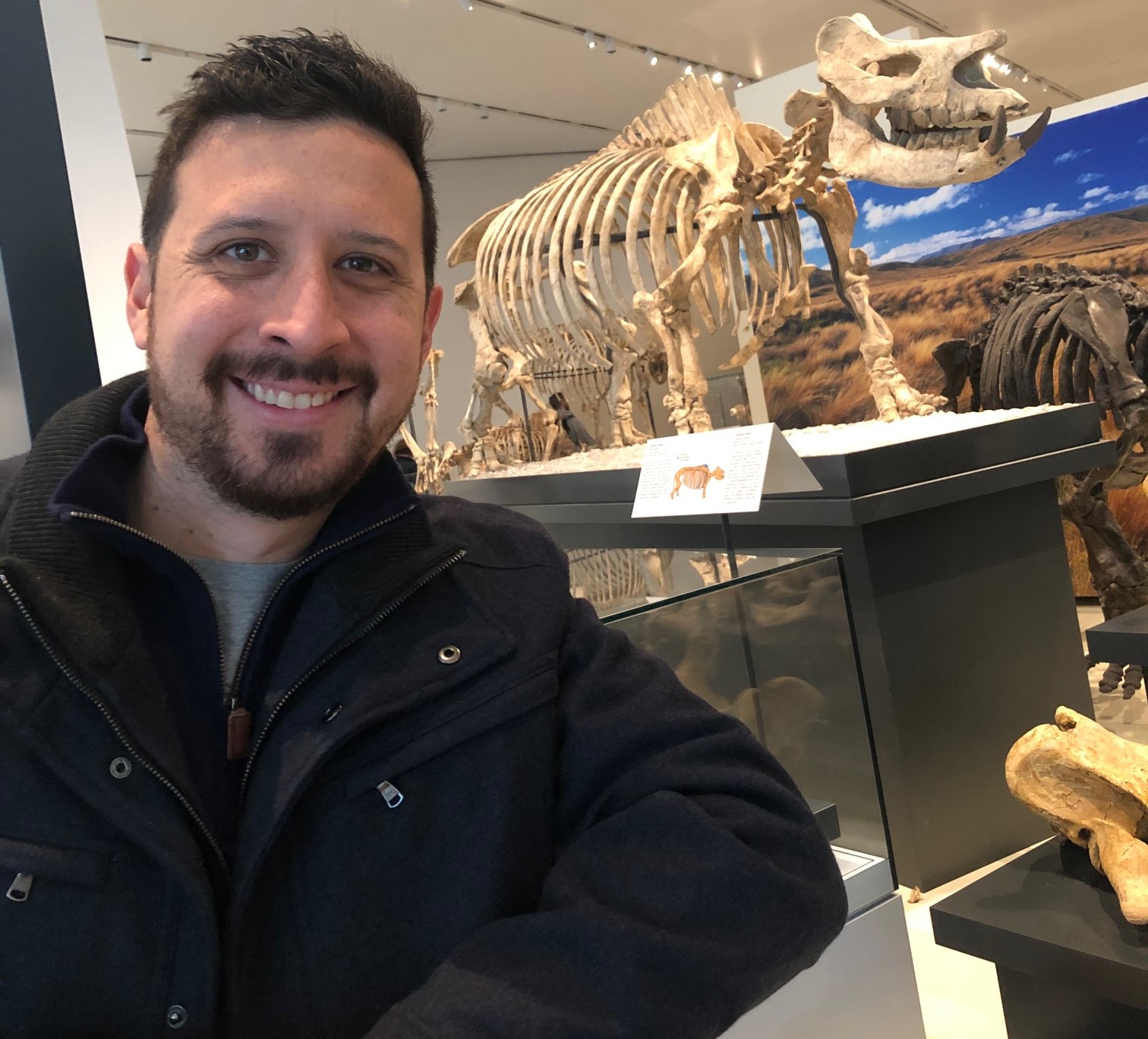
Image description: Fabian Hardy, seen here at the Royal Ontario Museum with a Miocene rhinocerotid.
Fabian Hardy
USA
September 8, 2026
From fast pronghorns to fossil flights: New paleontological developments at Slippery Rock University
The physical environment shapes the evolution, distribution, and ecology of terrestrial mammals, and vegetation differences between regions can affect locomotor mode. We measured functional anatomy in artiodactyls to compare locomotor styles between the Mojave and Great Plains. Fossil Antilocapridae showed ankle anatomy consistent with cursorial locomotion, while Camelidae showed features tied to ambulatory locomotion regardless of region. We plan to extend this dataset to other regions to weigh the roles of phylogenetics versus environment in shaping mammalian locomotion. Separately, fossil surveys remain slow and labor-intensive, often complicated by difficult or inaccessible terrain. We tested a small drone mounted with a multispectral camera to distinguish vertebrate fossil material from surrounding sediment based on spectral reflectance. Working with Nevada State Parks, we piloted this method at known productive localities in the Las Vegas Formation. Preliminary results, with centimeter-scale resolution and confirmed fossil exposures, support low-altitude drone survey as a viable tool for fossil prospecting.
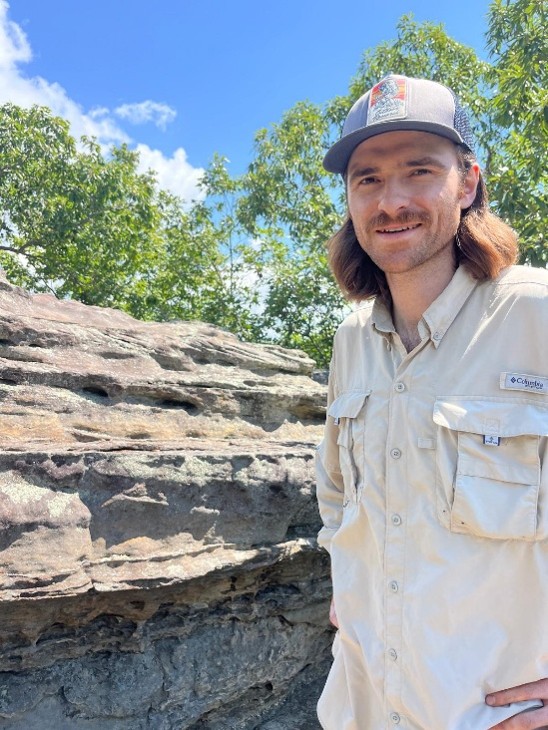
Image description: Isaiah standing in front of a sandstone and conglomerate outcrop in the Appalachian Mountains in eastern Kentucky, USA. Isaiah is a white man with brown hair, and is wearing a tan shirt and blue hat. Behind the outcrop are green trees and a blue sky.
Isaiah Smith
Germany
September 29, 2026
YouTube
Microplankton extinction and community shifts throughout the Cenozoic
The marine microplankton fossil record provides a highly spatially- and temporally- resolved archive of how life in the oceans changed over the course of the Cenozoic. Although small, microplankton form the base of marine food webs on which larger ocean life depends, and relatively small shifts in ocean temperature can cause measurable changes in assemblage composition. By studying the sedimentary record of marine microplankton, we can better understand how large-scale climatic events impacted these species, and the communities which they compose, over the last 66 million years. Spanning a range of both temporal and spatial scales, our analyses focus particularly on community composition, speciation, and extinction of planktonic foraminifera, diatoms, radiolarians, and coccolithophores. We link these macroecological patterns to species-specific traits relating to life mode and nutrient requirements, clarifying how ecological factors influence species emergence and loss over geologic timescales. We find that trophic mode—whether a species is primarily autotrophic, heterotrophic, or mixotrophic—is a key predictor of group-level extinction rate. Additionally, shifts in microplankton range and community composition are analyzed with respect to ocean temperature to explore how global microplankton biodiversity might reorganize in light of a changing climate. This information can be integrated with modern data to help assess extinction risk of extant groups and inform modern conservation planning.
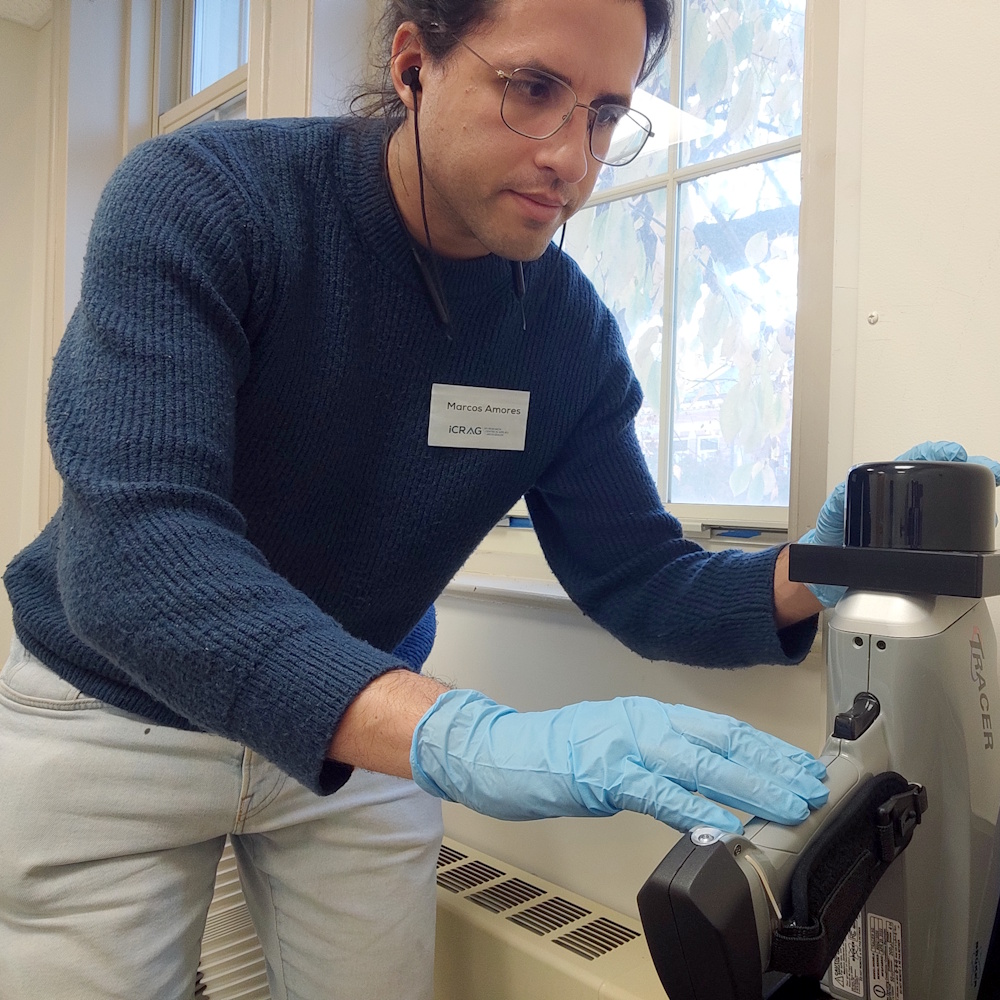
Image description: Marcos placing the radiation shield on a mudrock sample for major and minor elemental analysis with X-ray fluorescence at the University of Connecticut, USA. Marcos is a while man with long brown hair that is tied up in a top knot and is wearing glasses, a blue sweater, and nitrile gloves.
Marcos Amores
Ireland
October 20, 2026
Reconstructing terrestrial ecosystem recovery and climate change in Early Triassic Australia following the Great Dying
How quickly can ecosystems recover from a mass extinction, and how do they respond to prolonged climatic instability? Around 252 million years ago, Earth experienced its most severe mass extinction, followed by millions of years of environmental upheaval. Yet, how terrestrial ecosystems responded to these changes remains poorly understood. In this talk, I combine fossil pollen and spores, carbon-isotope geochemistry, clay mineralogy, and elemental abundances to reconstruct vegetation changes and chemical weathering trends in the Early Triassic of Australia. Our findings reveal that plant communities recovered remarkably quickly, within 100,000 years, but underwent repeated reorganizations during subsequent episodes of extreme warming and cooling. These records provide insights into how climatic instability shaped terrestrial ecosystems and landscapes over millions of years.

