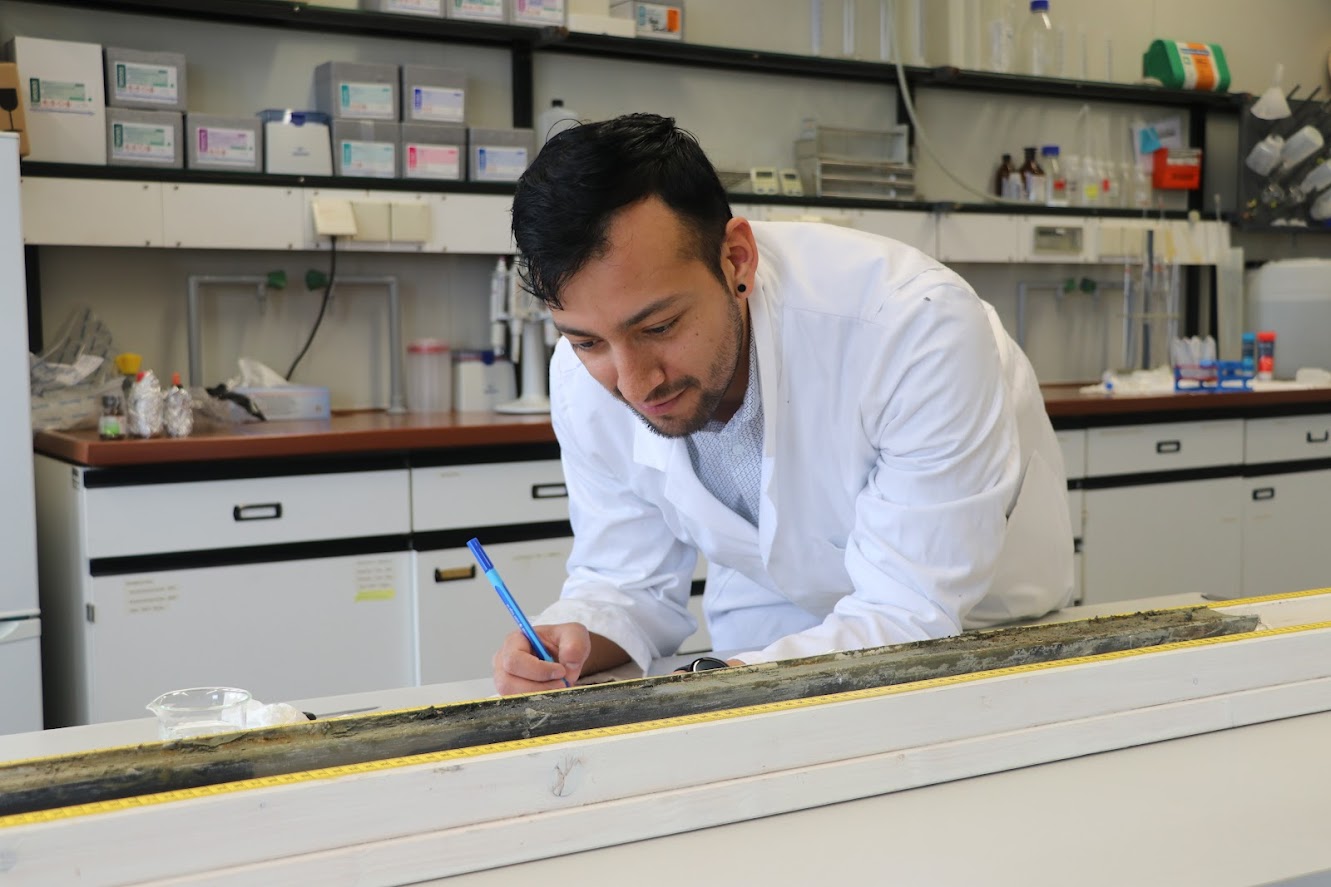
Image description: I enjoy the sedimentology and stratigraphy of the lacustrine records we work on. This is a photo describing sediments from Schliersee Lake, located in southern Germany.
Rodrigo Martínez-Abarca
Germany
February 10, 2026
Climate and environmental variability in the eastern equatorial Atlantic and the northern tropical Americas: from orbital cycles to human activity
This talk explores climate and environmental variability in the eastern equatorial Atlantic and northern Neotropics during the Late Quaternary. Marine sediments from ODP Site 663, analyzed with X-Ray Fluorescence geochemistry, reveal orbital- and half-precessional-scale dynamics of the West African Monsoon over the last 1.25 million years. In contrast, lipid biomarkers and elemental data from Lake Petén Itzá sediments document hydroclimate variability during the past 400 thousand years, shaped by hemispheric-scale changes and human activity in Central America. Together, these records highlight the sensitivity of tropical systems to external and internal forcing and their relevance for understanding past and future climate change in densely populated regions.
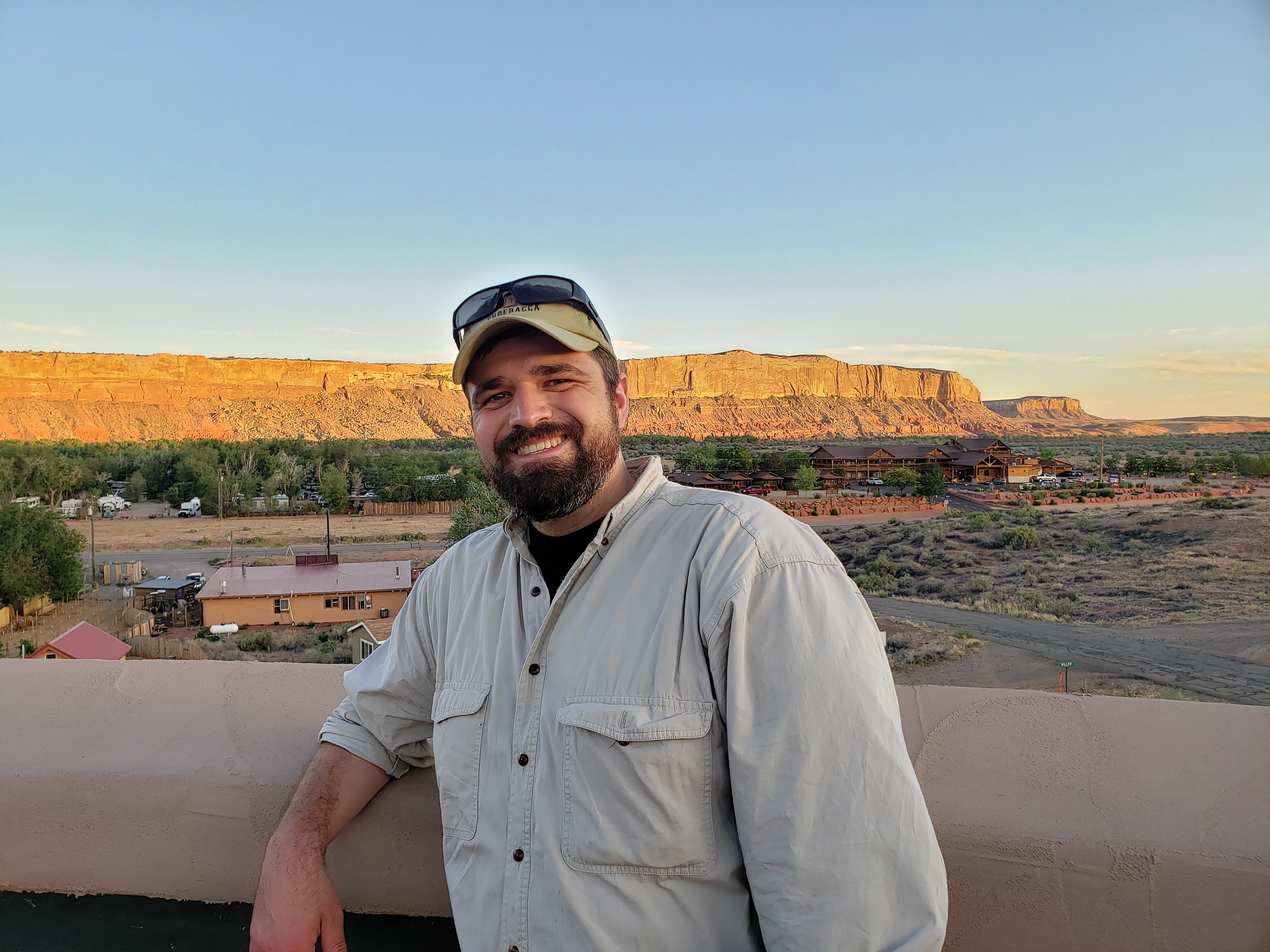
Image description: Picture of Jonathan a white man wearing a cap, field shirt and smiling with a backdrop of Colorado plateau at Bluff, Utah, USA.
Jonathan Stine
USA
February 17, 2026
Paleozoic Equatorial Records of Melting Ice Ages (PERMIA): calibrating the pace of paleotropical environmental and ecological change during the Late Paleozoic Ice Age
The upper Paleozoic Cutler Group of southern Utah, USA, is a key sedimentary archive for understanding the Earth-life effects of the planet’s last pre-Quaternary icehouse–hothouse state change: the Carboniferous–Permian (C–P) transition (~304-290 Ma). Within the near-paleoequatorial Cutler Group, this transition corresponds to a large-scale aridification trend, loss of aquatic habitats, and ecological shifts toward more terrestrial biota as recorded by its fossil assemblages. However, fundamental questions persist. (1) Did continental drift or shorter-term changes in glacio-eustasy, potentially driven by orbital (Milankovitch) cycles, influence environmental change at near-equatorial latitudes during the C–P climatic transition? (2) What influence did the C–P climatic transition have on the evolution of terrestrial ecosystems and on the diversity and trophic structures of terrestrial vertebrate communities?
The Paleozoic Equatorial Records of Melting Ice Ages (PERMIA) project seeks to resolve these issues by studying the Elk Ridge no. 1 (ER-1) core. This legacy core, collected in 1981 within what is now Bears Ears National Monument, recovered a significant portion of the Hermosa Group and the overlying lower Cutler Group, making it an ideal archive for studying paleoenvironmental change during the C–P transition. Using a combination of biostratigraphy, geophysical and geochemical core scans, cyclostratigraphy, and magnetostratigraphy, we tentatively determine that the aridification event, and associated biotic turnover, occured on a timescale more indicative of climate change rather than tectonic movement.
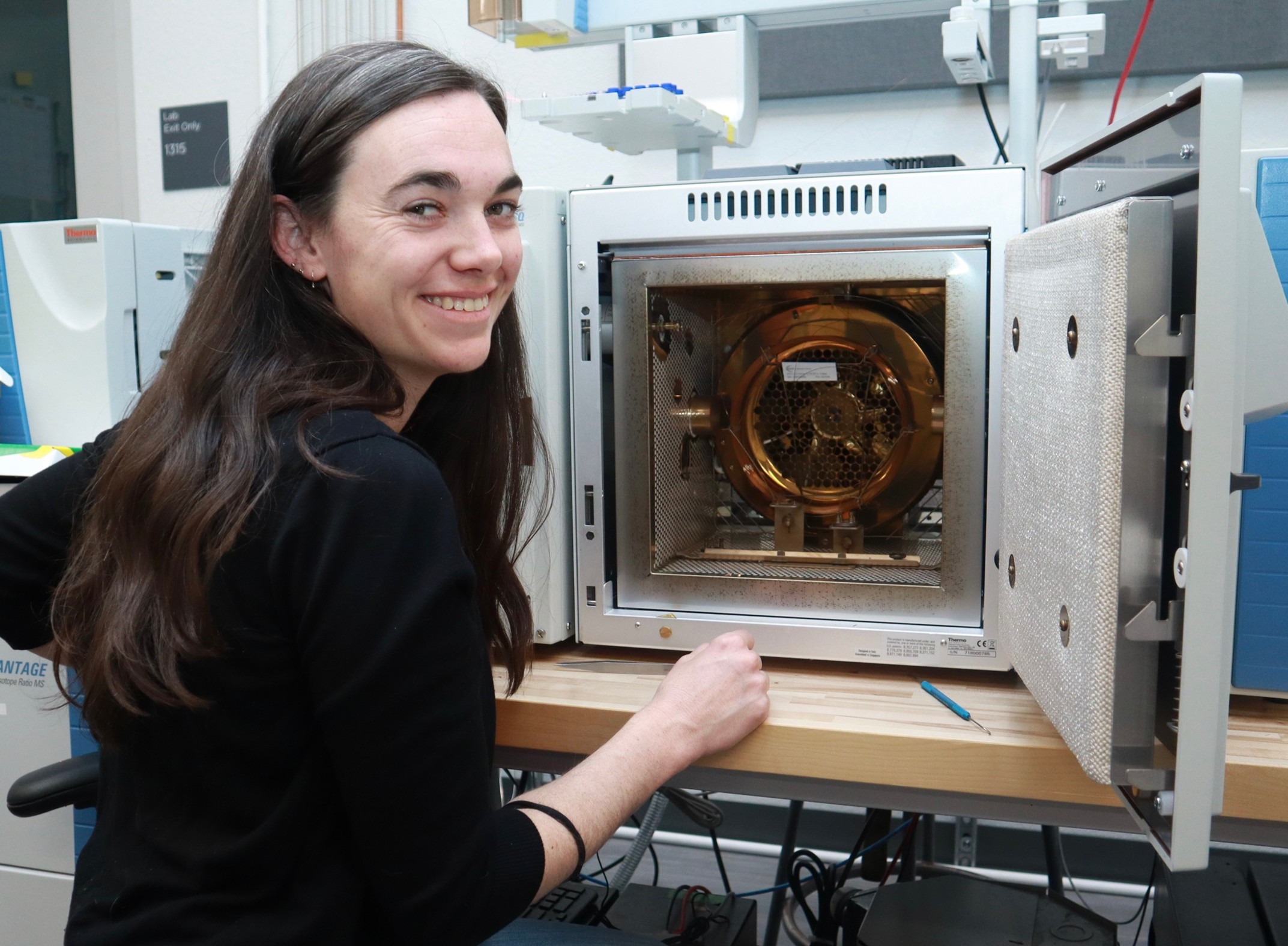
Image description: Dr. Emma A. Elliott Smith working on instrumentation for isotopic analysis; shown here is a Gas Chromatography Isotope Ratio Mass Spectrometer System at the University of New Mexico’s Center for Stable Isotopes. This instrument was used to measure δ13C values of individual amino acids from sea otter remains recovered from archaeological sites. Photo credit Jeng Hann Chong.
Emma Elliott Smith
USA
February 24, 2026
Reconstructing historical sea otter ecology with zooarchaeology and stable isotopes
Archaeological faunal assemblages offer a powerful way to anchor modern conservation goals to pre-industrial baselines. Through stable isotope analyses of these specimens, we can reconstruct historical diets, trophic positions, and habitat use. In this talk, I apply this approach to the sea otter (Enhydra lutris), a keystone marine predator that for millennia structured coastal food webs within Indigenous managed socio-ecological systems before being nearly extirpated during the EuroAmerican maritime fur trade. I present stable carbon and nitrogen isotope data from sea otter bones recovered at archaeological sites across the North Pacific, combining bulk tissue and compound-specific (amino acid) analyses to resolve patterns of habitat use and trophic ecology. These data reveal significant spatial variability in past sea otter foraging ecology and provide important context for contemporary recovery efforts. More broadly, this case study demonstrates how zooarchaeology and stable isotope geochemistry can inform present day conservation efforts.
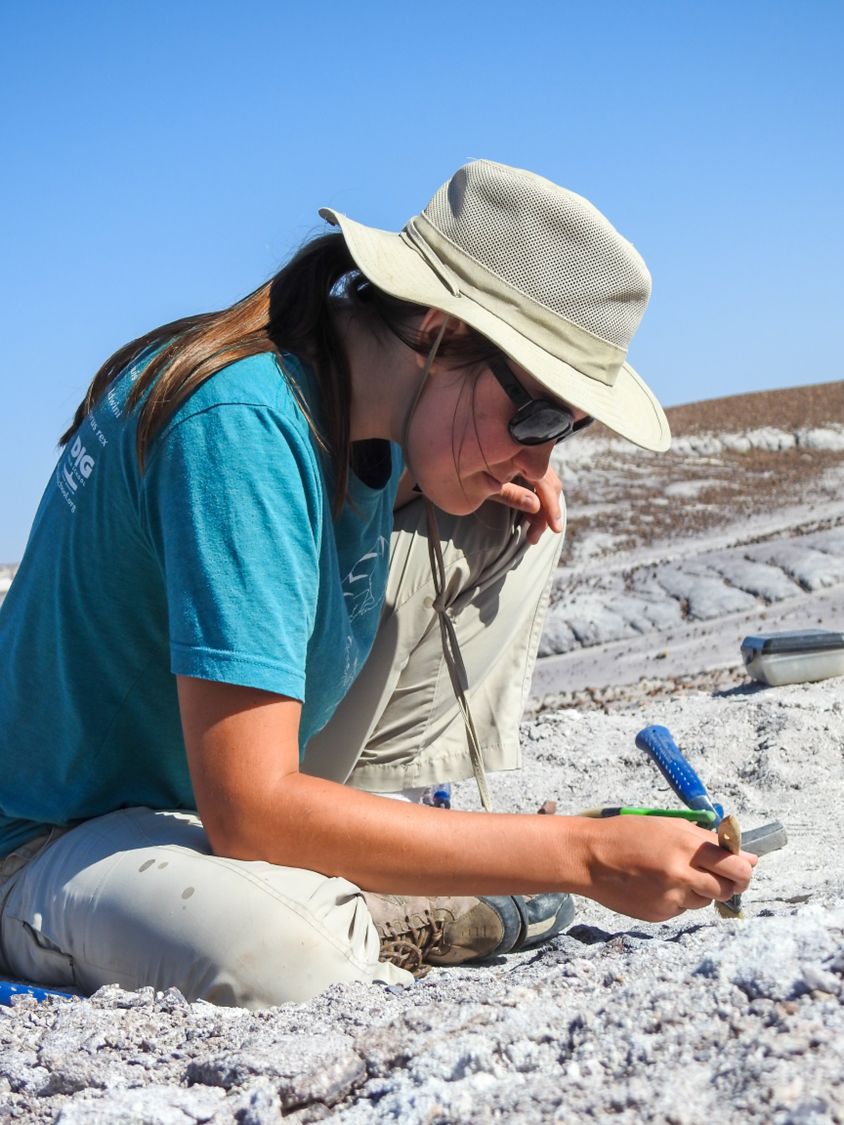
Image description: Photo of Savannah brushing away sediment in the badlands of Arizona.
Savannah Olroyd
USA
March 4, 2026
Exploring the mechanisms underlying the convergent evolution of heterodonty in vertebrates
Advances in molecular developmental biology have revealed that many occurrences of convergent evolution are better categorized as parallel evolution, the acquisition of a similar trait in closely related lineages through the co-option of ancestrally shared genetic, developmental, or morphological units. The concept of parallel evolution is still poorly formed in evolutionary biology, and major questions remain regarding the extent of its role in macroevolutionary patterns. One feature that may be an example of parallel evolution is heterodonty, the variation in tooth size and/or shape along a jaw. While heterodonty is often considered a mammalian feature, several non-mammalian taxa also exhibit varying degrees of heterodonty. Our ongoing research attempts to characterize heterodonty across reptiles and compare the mechanisms underlying heterodont tooth development in reptiles and mammals.
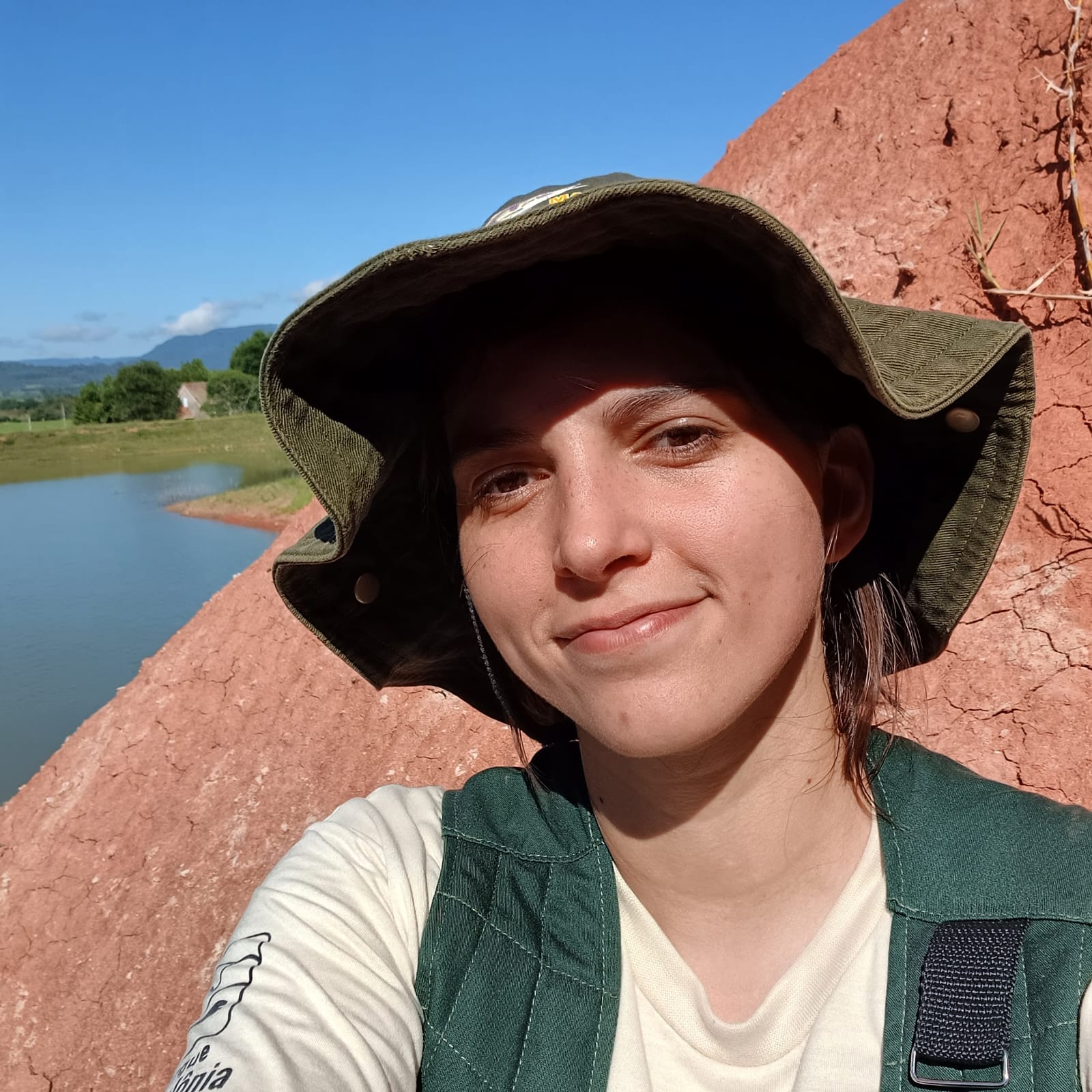
Image description: Letícia is smiling with fieldwork clothes in front of a reddish dirt at a paleontological outcrop.
Letícia Rezende de Oliveira
Brazil
March 10, 2026
A Biomechanical Tale: Reconstructing the largest predator of Brazilian Middle Triassic
The Triassic Period happened between two of the largest known mass extinctions, presenting an iconic faunal diversity that originated many of the predominant lineages found today. Brazil only preserved a small section of Triassic outcrops, yet it has provided a plethora of fossils with international relevance, such as some of the oldest dinosaurs in the fossil record. The amount of species and material collected during the last hundred years of paleontological studies in Brazil allows the implementation of new approaches to investigate the paleobiology and paleoecology of the Triassic environment. Our research explores biomechanical aspects of the largest predator of Brazilian Middle Triassic, looking into the evolution of an erect stance and bipedal posture in the Pseudosuchia lineage, independent from other lineages with similar postures.

Image description: Photo of a young white woman with long, dark blonde hair. She is facing the camera and wearing a yellow top with flowers on it.
Joanna Tindall
PLOS One
March 17, 2026
Publishing for ECRs
PLOS is a non-profit, open access, scientific publisher. Joanna is a staff editor on PLOS One, a multi-disciplinary journal that publishes work on the basis of scientific validity, strong methodology, and high ethical standards—not perceived significance. This session will discuss practical tips for helping you to get your research published – from choosing a journal to getting your work ready for submission. The second part of the session will focus on careers within scientific publishing.
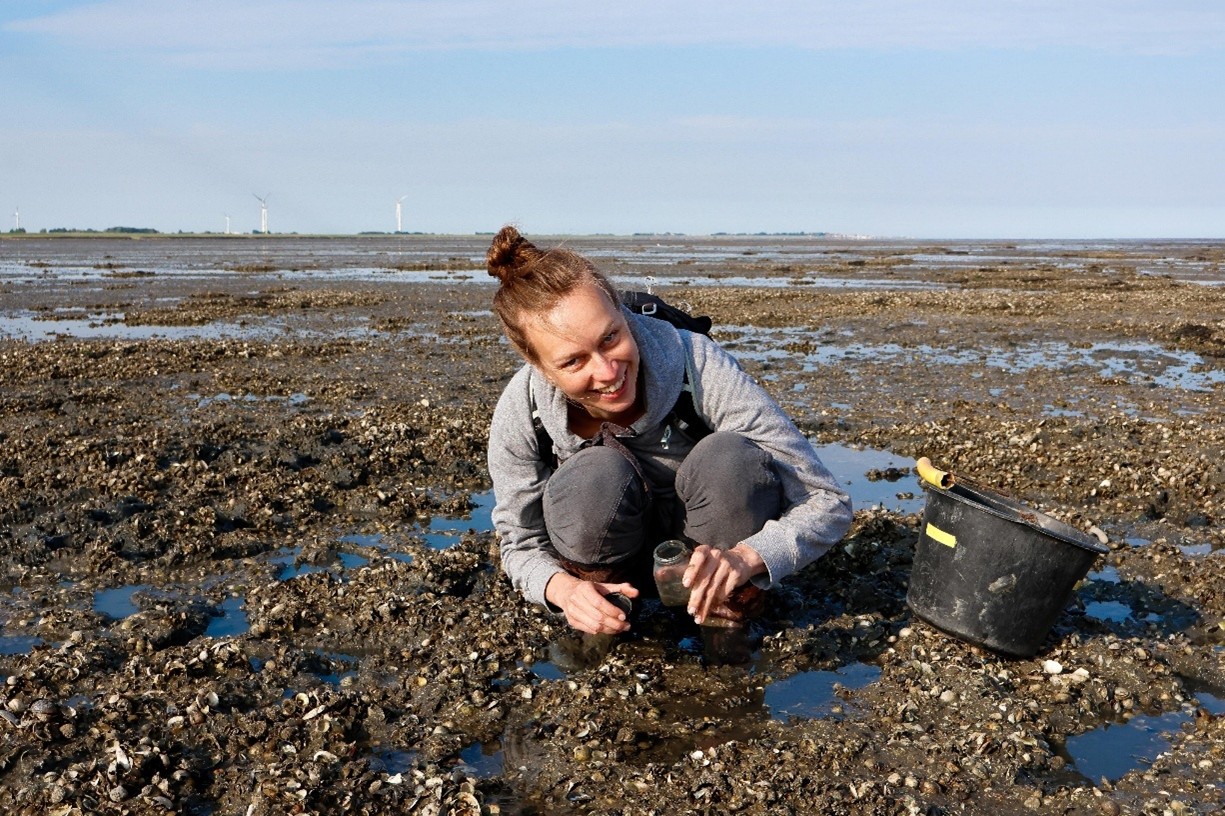
Image description: This is me (Vanessa) crouched beside a black bucket, collecting clams and snails at the German Wadden Sea.
Vanessa Fichtner
Germany
March 24, 2026
When Sulfate Hides in Carbonates: Unlocking Geochemical Secrets across diverse Environments
Carbonate-Associated Sulfate (CAS) has emerged as a powerful proxy for reconstructing ancient ocean chemistry, redox conditions, and climate dynamics. This talk explores CAS across diverse depositional and diagenetic settings, including deep-sea pelagic carbonates, shallow marine deposits, and terrestrial environments. I will present foundational studies that shaped our understanding of CAS to latest research on sulfate cycling in the deep biosphere and applications of CAS in petroleum production water.
 Pal(a)eoPERCS