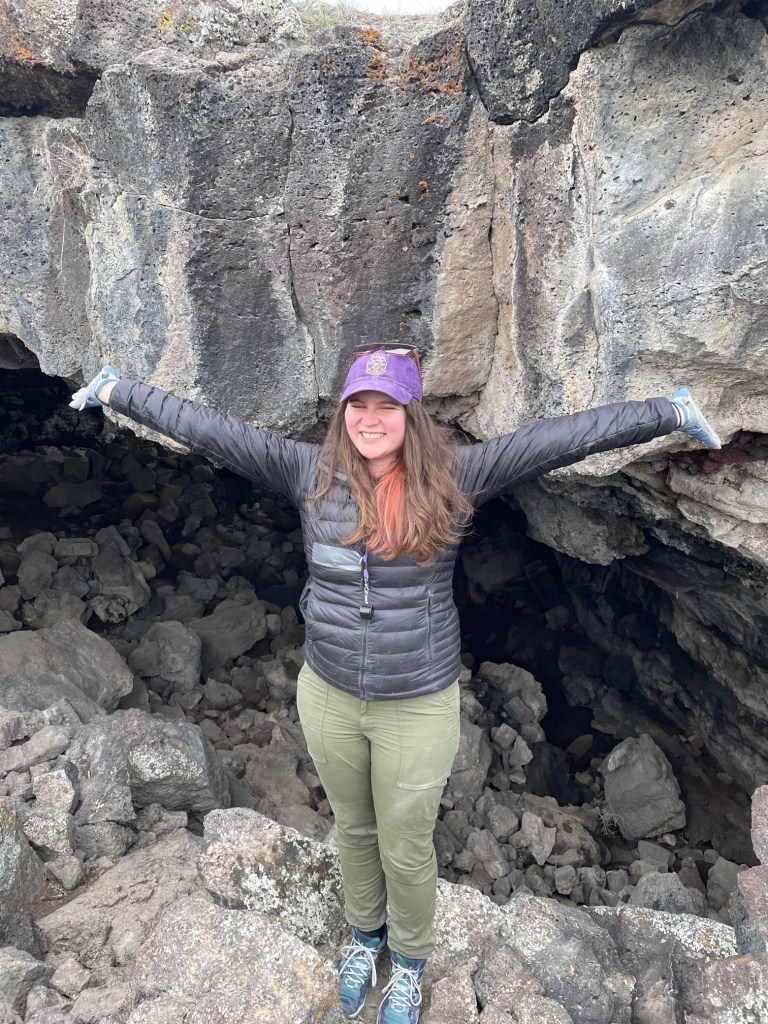
Image Description: Gwyn is a white woman with brown and pink hair. She is wearing a black jacket, purple Williams Geosciences hat, green pants, blue gloves, and blue hiking boots. She is smiling and celebrating in front of a lava tube in the Great Basin, Utah.
Gwyneth Chilcoat
Gwyn is a conservation paleobiologist from the USA. She is currently a Ph.D. student in the Ocean Climate Lab at the University of California, Davis and Bodega Marine Laboratory. In her research, she uses marine invertebrate conservation paleobiology to help coastal communities adapt to and mitigate the effects of climate change. Gwyn is passionate about science communication, and her background includes work on Devonian organic-walled microfossils and place-based Indigenous studies research/advocacy. She holds a B.A. from Williams College, and an A.A. and A.S. from Des Moines Area Community College. Outside of paleo, she enjoys playing tuba and trombone.
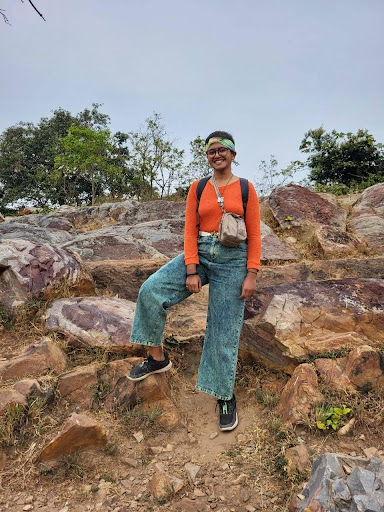
Aharna Sarkar
Aharna is a critical physical geographer from India. She is pursuing her PhD in the University of Georgia, USA. Her current research interests include critical political ecology and science technology studies of climate modelling and paleoclimate studies. She completed her Bachelor’s and Master’s in Science from the Indian Institute of Science Education and Research, Pune. For her Master’s thesis she worked with dendrochronogical data to explore its use and potential as proxy for ecosystem productivity. In her free time, she can be found reading, painting random objects and daydreaming about awesome field trips.

Image Description:
Salman is a brown-skinned man standing on the sandy shores of Wandoor Beach in the Andaman Islands, India. He is wearing a black long-sleeved shirt, white jeans, and sunglasses. The turquoise sea gently touches his feet as he stands on the wet sand, and the background features a calm, clear turquoise sea, a forested shoreline, and a partly cloudy sky. The overall setting is calm and scenic, with a peaceful beach vibe.
Mohd Salman
Mohd Salman is currently pursuing a Ph.D. at the Micropaleontology Laboratory, CSIR-NIO Goa, India. He holds a Master’s and Bachelor’s degree (M.Sc. & B.Sc.) in Geology. His research focuses on paleoclimatic and paleoceanographic reconstructions, utilizing marine microfossils and sediment proxies. His primary work explores the ecology of planktic and benthic foraminifera, investigating the spatio-temporal aspects of their ecology and geochemistry in the Bay of Bengal. Additionally, he is involved in the development of new proxies based on foraminiferal data. His research also delves into high-resolution reconstructions of paleomonsoon seasonality, oceanic productivity, and changes in oxygen levels during significant climatic events of the late Quaternary period.
Salman genuinely enjoys being involved in climate and geoscience events organized for school and college students. His ultimate goal is to expand our understanding of Earth’s climate system, focusing on protecting natural resources and the livelihoods dependent on them.
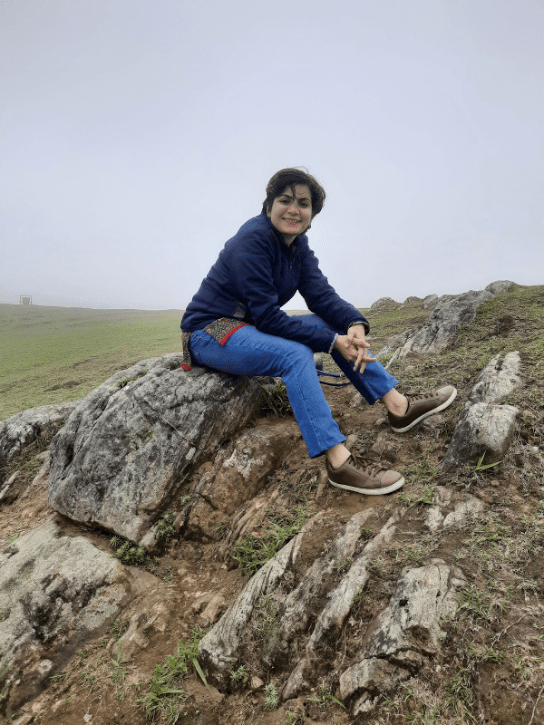
Neha Sharma
Neha Sharma is a Graduate Student at the Indian Institute of Science Education and Research, Kolkata, India. Neha is an invertebrate paleobiologist, working on marine bivalves and gastropods. Her work is primarily focused on analyzing patterns of morphological evolution, through space and time, using a quantitative approach. Neha is also the PI of a project concerned with evaluating the impact of ecology and substrate variations upon the shell shape of Recent marine bivalves, along coastal India. She has a keen interest in sci-com and participates in several outreach activities. Apart from spending time in academia, she is an avid reader, a dark humor fan, and an occasional swimmer.

Isaiah Smith
Isaiah Smith is a PhD candidate at Friedrich-Alexander University of Erlangen-Nuremberg (FAU) in Germany. After completing a joint bachelor’s degree in geology/biology in 2020, he went on to complete an M.Sc. in Geosciences with a concentration in Analytical Paleobiology at FAU. His research uses computer-based techniques to study how geographic range, sampling bias, speciation, and extinction interact over geologic time. Isaiah’s other academic interests include accessibility in science, machine learning, and conservation paleobiology. In his free time, Isaiah enjoys ultra-running, making music, and producing art.
Nina Wichern
Nina is a palaeoclimatologist and stratigrapher from the Netherlands. She is currently a PhD student at the University of Münster in Germany, after completing her BSc and MSc in Earth Sciences at Utrecht University in the Netherlands. For her PhD project, she studies the interaction between changes in Earth’s axis and orbit (Milanković cycles), climate, biotic events, and anoxia during the Late Devonian period. Beyond this project, she is interested in climate change under different biotic boundary conditions throughout the Precambrian and Palaeozoic. You can find Nina in the lab and in the field, although she prefers the latter. She is also keen on doing more outreach work in the future. When she is not doing science, Nina enjoys drawing, bouldering, and going to metal concerts.
Past Organizers

Rehemat Bhatia
Rehemat has been exploring research council life in the UK over the past few years. Prior to this, Rehemat was a postdoc at the University of Bristol, and completed her PhD at University College London. Her research focused on using the geochemistry of deep time planktic foraminifera to understand more about their palaeoecologies and responses to dramatic climatic change. Rehemat is also the Earth Science Women’s Network’s Co-Chair for Member Events, and an active advocate for equity, diversity, inclusion and accessibility in STEM. She also was part of The Micropalaeontological Society’s committee from 2018 – 2021 as their Publicity Officer.
Rehemat also loves taking part in science outreach activities talking to the public and school/community groups about the awesomeness of earth & ocean sciences and foraminifera.

Jana Burke
Dr. Jana Burke is a Postdoctoral Research Associate at Michigan State University. She is a micropaleontologist and paleoceanographer who works primarily with planktonic foraminifera. She is particularly interested in the ways that individual organisms, species, and communities change in response to changes in their environment, which is probably a good thing given the transitory nature of ECR life. Jana first fell in love with the pal(a)eo-sciences as an undergraduate at Smith College and recently completed her PhD at Yale University. Jana is a fan of wise-cracking, handicrafts, and scream-singing at karaoke. She is also passionate about contributing to a strong, supportive, inclusive community of pal(a)eo-ECRs.
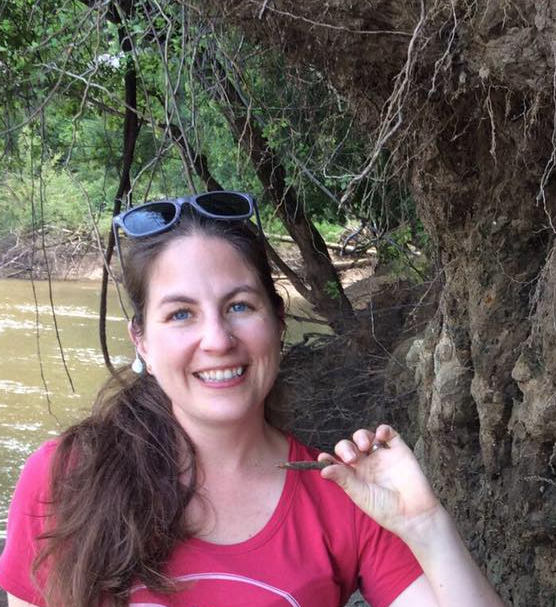
Catherine Davis
Kate Davis is a Donnelley Postdoctoral Associate at Yale University. After abandoning early career ambitions of “time-traveller” Catherine instead turned to micropaleontology and paleoceanography, completing her PhD at the University of California Davis in 2016. Her research focuses on how microfossils record their environment and the use of microfossil and sedimentary records to reconstruct oceanographic changes beyond the instrumental record. Kate is especially interested in acidification and deoxygenation in the pelagic ocean and how that impacts the biosphere, as well as in all things foraminiferal.
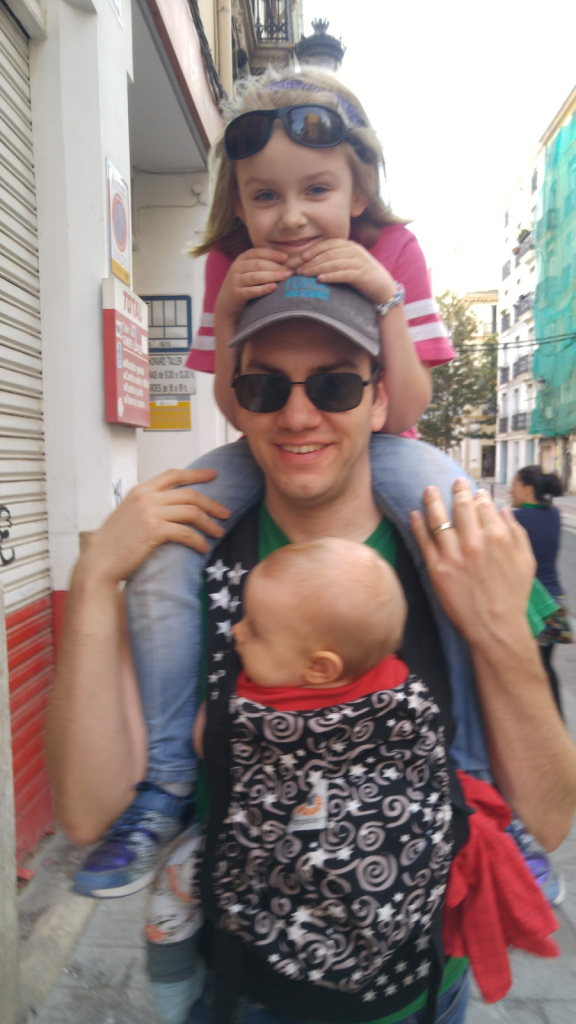
Andy Fraass
Andy is the Vice Chancellor’s Fellow in Earth Science at the University of Bristol. Andy is yet another micropaleontologist, and yes, works with planktic foraminifera. He’s moved around a lot in academia, starting at the University of Wisconsin, then University of Massachusetts (PhD), then the National Museum of Natural History, and finally Sam Houston State University before ending up in Bristol, until he drags his family to Canada next year. He’s interested in Cenozoic and Cretaceous paleoceanography, macro- and microevolution, and stratigraphy. He writes occasionally for Time Scavengers (timescavengers.org). With two kids in lockdown you will likely not see him during talks or you will with a toddler in his lap.

Pedro Godoy
Pedro is currently an Assistant Professor at the Zoology Department of the University of São Paulo, Brazil. He did his PhD at the University of Birmingham (UK), and his MSc and BSc at the University of São Paulo (Brazil). Pedro works on fossil reptiles, with a special focus on crocodylians and their extinct relatives (crocodylomorphs). Pedro has been working on fossil crocodylomorphs for more than 10 years, exploring their evolution, systematics and paleobiology, which led him to visit many museum collections around the world. In particular, he is very interested in the long-term processes involved in the morphological variation exhibited by this amazing group of reptiles.

Chrissy Hall
Chrissy is a Visiting Assistant Professor at Lafayette College (Pennsylvania, USA), having finished her PhD at the University of California Riverside in 2019. Chrissy is broadly interested in how life responded to different environmental changes in the past. She is also a micropaleontologist, but works on Cenozoic ostracodes and also still plays around with the non-microfossil tri-radially symmetric Ediacaran fossils she worked on for her Master’s. Chrissy also really enjoys being involved in geoscience outreach activities, especially at grade schools and community events.
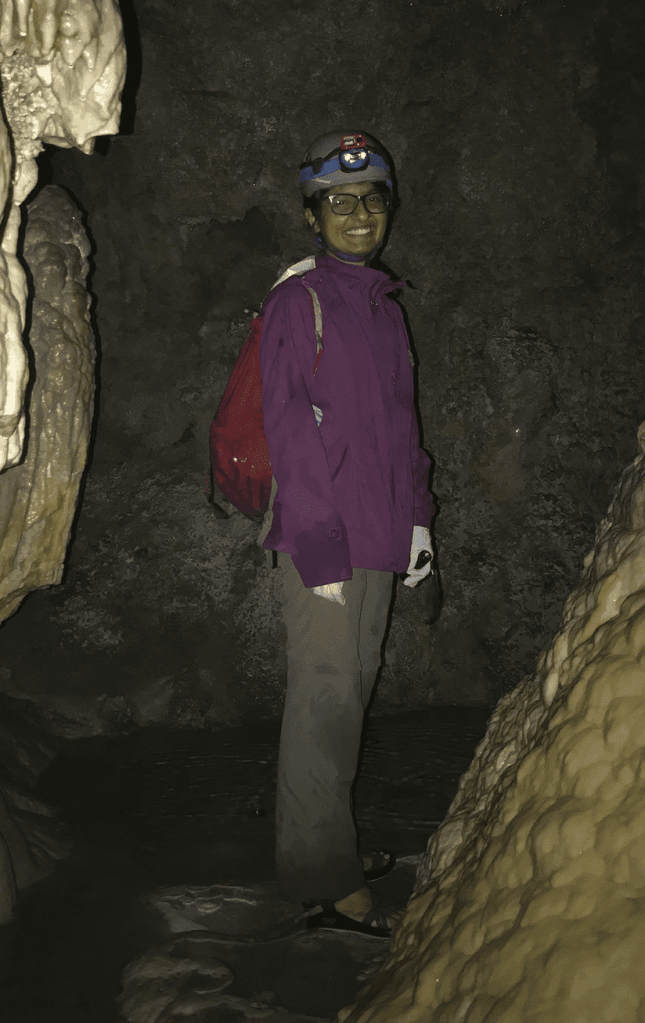
Natasha Sekhon
Natasha Sekhon is a Voss Postdoctoral and Presidential Diversity Fellow at Brown University. Natasha’s research interests lie in investigating terrestrial climate change over seasonal to millennial timescales through the Holocene. She uses the geochemistry of stalagmites from caves to reconstruct past climate change trends beyond the instrumental record. Natasha also works on characterizing modern cave systems that ultimately modulate the geochemical signals in stalagmites. She does so through continual monitoring of cave parameters such as cave ventilation, cave drip water, cave temperature to name a few. In addition to spending a lot of time in the subterranean world, Natasha is interested in increasing diversity, equity, and inclusion in STEM through outreach activities. She occasionally hosts radio shows that discusses science through fieldwork and music.

Elizabeth Sibert
Elizabeth Sibert is currently an Assistant Scientist at Woods Hole Oceanographic Institution. Elizabeth fell in love with the ocean as a kid and never looked back. She studied biology in undergrad, and received her PhD in Oceanography from Scripps Institution of Oceanography in 2016. She was appointed a Junior Fellow in the Harvard Society of Fellows in 2016, before becoming a Hutchinson Fellow at the Yale Institute of Biospheric Studies. Elizabeth uses microfossils, especially tiny fish teeth and shark scales, to study the evolutionary and ecological response of marine consumers to global change, combining her two favorite topics: paleobiology and biological oceanography. In her spare time, Elizabeth can often be found upside down in the air as a professional-level circus artist. Elizabeth’s other work includes 3D printing fossils and improving accessibility, access, and inclusion in STEM, particularly geosciences and oceanography.
 Pal(a)eoPERCS